Judging on Looks- Cosmetically Imperfect Produce

This is the first part of a three part series explaining where food is wasted along the value chain, why it is wasted, and what solutions and actions can be taken to help reduce the problem.

Retailers and consumers have set beauty standards on our own food that if they do not meet certain criteria, such as being a certain size or having no blemishes or scratches, they are not acceptable and will go uneaten. Ben Chesler, the COO of Imperfect Produce explains, “Ugly fruits and vegetables are the 20% of fruits and vegetables that are grown on farms that don’t make it to supermarkets each year and that’s usually for small cosmetic reasons like too big too small or its the wrong shape, size of color.” Ugly fruits are perceived as hideous creatures;  if they don’t look a certain way they must not be safe to eat nor good quality, even though they are perfectly fine on the inside.

Can you spot the imperfections?

Where did These Standards of Produce Beauty Begin?

The United States Department of Agriculture within Agricultural Marketing Service created standards to help describe the quality and condition of commodities within a marketplace. These standards are placed for all different types of food to help create a consistent language to describe the quality and condition of the items. Some of these food types such as meat, dairy, and grains, have these standards as requirements for food safety, but for fruits and vegetables, these standards are voluntary in that they can be graded on their size and shape but it does not mean they are unsafe to eat. Retail stores have now taken these to extremes that by not perfectly fitting the standards, they are unwanted in their markets. Here are some examples of these standards:

  • Cauliflower needs to be the perfect shade of white and if they look yellow, then they won’t be accepted.
  • To be considered a “good pepper” it must be able to stand on its own “feet”, basically saying it can sit up straight. If it cannot stand up straight, then it does not cosmetically fit the standards due to a small bump, even when the peppers are still perfectly healthy to eat. 
  • Carrots that you find in the store are straight. But due to rough spots in the dirt, carrots may twist and turn while forming in the ground. As farmer Juan Gonzalez explains, “Nothing wrong with them, they just look funky.”

Nature Isn’t Perfect

There is a common misperception that if produce does not look a certain way or is deformed, it is genetically modified. However, many of these imperfections are created when organically grown too. These imperfections may be caused by weather conditions or soil conditions, such as the ground being hard and resulting in the produce bending in different ways. It could also be due to harvesting the produce too soon or too late to meet the perfect size or color. Either way, we reject a lot of food for not meeting these beauty standards. 

How does Food Waste Impact Farms and the Environment?

Loss in Revenue:

Farmers put in a lot of time, effort, and money to make food that markets end up not taking, leading to revenue rotting on the fields. For farmer Manuel Cherry he says, “Sometimes you get 20% waste, sometimes 40%, sometimes half, up to 50%. Costs us 50 cents. The growers put their heart and soul into it. Worth nothing.”  And for farmer Juan, 10 million pounds of food his farm grows is rejected each year for not being cosmetically pleasing. If we keep to these strict standards, it may lead to minimal revenue for farms to barely stay in business, or prices will have to increase in order to keep farmers afloat. 

Loss of Precious Environmental Resources: 

Producing food has huge environmental impacts that get worse when resources are wasted. Approximately 70% of water available is used for agriculture for the world; 80% for the United States. The UN estimates 30% of agricultural land available, about 1.4 billion hectares, produces food that just gets wasted. That is equivalent to up to 170 trillion liters of water wasted that could be used to fill Lake Geneva three times. 

In the United States alone, 15.7% of US energy usage and 50% of all land is used for agricultural purposes. Wasted energy means omitting unnecessary emissions to escalate climate change further. Wasteful land usage creates the loss of precious nutrients and good quality soil which degrades the land so it can not be used in the future. As precious resources like these are used and wasted in the production of imperfect foods, resources become scarcer and make it more expensive to produce food in the future, meaning there is more economic reason to utilize all of the food that is produced.

Filling Up Landfills to Release Methane:

Since there is a lack of composting programs available, most of the unwanted produce ends up in landfills. In California, the Salinas dump is referred to as “the salad bowl of the world” because a majority of its heads of lettuce, along with other fruits and vegetables that go to waste. As Assistant General Manager Salinas Valley Solid Waste, Cesar Zuniga, explains, “A lot of this bag stuff goes East. By the time it gets to the stores, hits the shelf, most markets don’t want it.” When food sits in the landfills and does not have enough oxygen to break down, it slowly releases methane traps 100 times more heat than carbon dioxide in a five year period to worsen the acceleration of climate change. 

Solutions for the Problem 

Although food waste is inevitable to occur on farms due to weather, pests, and disease, changing the view of imperfect produce is a good solution to reduce large amounts of wasted food, help reduce world hunger, and reduce environmental impacts from wasted resources. 

Ugly Produce Programs: 

Ugly produce companies are working with farmers to make sure that their perfectly good ugly produce still goes to good use. Popular brands like Misfit Markets, Imperfect Foods, and Hungry Harvest buy the produce from farmers at discounted prices so that the companies can sell the produce at lower prices than what you get at the store, so those who are on tight budgets can still have access to fresh produce. Some users have commented that the food is, “Just as good as grocery store quality…and is at a great price.” The founders of Imperfect Food find that their service is the solution to minimizing food waste. Ben Chesler, COO of Imperfect Food says that food waste is, “one of the leading solids by weight in our nation’s landfill” and by their company seeing the treasure in imperfect produce is helping to reduce environmental impacts and world hunger. 

These companies have been able to make a huge impact: Hungry Harvest from 2014 to 2017 helped to recover 1 million pounds of food, and from 2015 to present day, Imperfect Food has been able to recover over 116 million pounds of food. And not only are they helping divert food, but they are helping farms recover profits that would have gone wasted and have them prosper more than ever. Juan Gonzalez has said that because of Imperfect Foods’ efforts, “Profitability has gone up, our employees production numbers have gone up, field harvest numbers have gone up,” and with solutions like these, “California could end world hunger.”

Discounted Produce in Supermarkets:

Some imperfect produce gets ships to retailers and if it is too expensive to ship it back to the farm, they end up tossing it in the garbage bin. Some restaurants are taking a stance on this by selling the imperfect produce at a discounted price in which they may not make a high amount of revenue, but is better than the food getting thrown out altogether. Some stores like Whole Foods and Giant Eagle are places that have these discounted programs. Ask your grocery store directly if they have discounted food programs you can check out and maybe get a good bargain due to a couple of bruises. 

Some stores divert imperfect produce from being wasted in their stores by having donation programs to provide food to those in need within their community. Sprouts Farmers Market is a superstar in reducing food waste through their Food Rescue Program. Their program diverts unmarketable produce and food waste by creating meals for those in need or sending it to composting programs rather than the landfill. In one of their locations within Alhambra, California, in 2018 alone, they donated 59 tons of excess food to support local families and composted 57 tons of food scraps. If more efforts were made like these, less people in communities would go hungry and more nutritious compost could be made rather than methane emissions. 

Connecting Food Donation Programs and Farmers:

As we have seen in times like COVID-19, many families are going hungry and farmers are forced to have perfectly good food go unharvested. Having better connections with food donation programs and farmers can ensure that the food can still go to good use. Organizations such as Food Donation Connection helps to connect food service companies and harvest programs to have alternatives to discarding edible food. States can help with the disconnect in the value chain as well to provide funds to food donation banks so the food banks can directly buy from the farmers their excess food. This way, donation banks can get the supplies they need and still support the farmers to receive some sort of revenue for imperfect food/excess food. 

Recovery Food to Feed Livestock:

If it doesn’t look great to us, there’s many animals that would be happy to chow down on the produce that may not meet our standards. The Environmental Protection Agency helps give guidelines on how to work on donating food. There are guidelines for this to ensure the safety for animals for animals, but it is a way farmers can support one another and reduce costs for providing feed to the animals.

Changing Our Mindsets on the Beauty Standards for Our Food 

In order for the issue around imperfect produce to stop, it requires us to change our mindset. It requires educating each other and our children to know what is safe to eat no matter what size, shape, or if there are a couple bruises. When going to the store, instead of getting produce that fits that perfect mold, grab the one that looks a little less perfect. Communicate and write to your local grocery stores to see if imperfect produce stands could be established. As consumers take action to say every piece of produce is beautiful, it is another step in reducing food waste across the value chain.

Sources:

Sustainable Tip #9: Buy Locally Grown Whenever Possible

Enjoying my favorite Saturday activity at the Durham Farmers Market in NC.

One of my favorite Saturday activities is going to the farmers market. Wherever I live, I love to go meet farmers in person who have put their heart and soul into growing the food that goes onto my plate.

To be considered locally grown food, it is often considered as food that is grown or processed within 100 miles from the farmer and the consumer. This includes fruits, vegetables, dairy products, eggs, and meat. Buying local food is not only a great way to help out with the environment, but also comes with many additional benefits for your health, the local economy, as well as your community.

Environmental Benefits:

Some big, organic avocados found at a local farmers market in Kauai, HI.
  • Reducing Carbon Footprint to Transport Food: According to researcher Rich Pirog at Iowa State University, the average piece of produce travels 1,500 miles. The more food that has to be imported from other states or countries, the more fossil fuels are consumed. Buying local food reduces the distance food travels from farm to consumer, creating a reduction on air pollution and greenhouse gas emissions to reduce your carbon footprint.
  • Eating Seasonal Food rather than Out of Season: Having foods when there in season means less demand from having them sent overseas during out of season periods. Adjust your diet according to what is in season for your area to help reduce the demand of importing food from overseas when they can be grown locally.
  • Preserves Genetic Diversity and Green Space: When producing crops on a large scale, it usually requires only using certain genetic strands in order for them to last longer or look a certain way by the time it gets to the consumer. Many small scale farms aren’t limited and try to use a range of genetic strands to preserve not only genetic diversity, but biodiversity as well.
  • Often Pesticide Free: Getting organic certifications can have high costs small farms aren’t able to afford, but many local farms do use minimal or no pesticide. Meanwhile, many large scale farms require using pesticides in order to control pest maintenance or preserve their food. Eating locally means less exposure to unnecessary chemicals, and if you aren’t sure if the farmer uses pesticides, just ask them directly!

Health Benefits:

Grabbing some healthy beets for a healthy heart 🙂
  • Preservative Free: When grown at a large scale, food may be sprayed with chemicals in order for food to last to travel long distances. Or when imported, they are often picked early and then artificially “ripened” with ethylene gas once it reaches its destination. Since food is generally picked 24 hours before selling at local farms, no chemicals are needed to preserve freshness for less exposure to unnecessary chemicals.
  • More Nutritious and Flavorful: The less time between harvest and reaching the consumer, the more likely the food’s nutrient value is still in tact as it is picked at the peak of ripeness. One example is a study from Montclair State University which found that broccoli that was imported out of season only retained half of its Vitamin C value compared to broccoli grown in season. Also with less chemical exposure means foods tasting better due to their freshness.
  • More Well-Balanced Diet: Having locally grown food with less chemicals could help reduce any digestion issues and help you to incorporate a more healthy, balance diet versus a processed, packaged diet.
  • Improve Food Safety: Food safety, especially in a time like COVID-19, has become increasingly important. Imported food can pass through different hands, trucks, crates, and borders before it reaches you to increase risk of contamination. Buying local has less processing steps in between to help reduce food’s contamination risk.

Economic Benefits

Supporting other local businesses at the farmers market like bakeries.
  • Keep Money Within the Community: Choosing local food means supporting and keeping money within the community, and to help local businesses prosper.
  • Local Farmers Keep More Profit: Keeping food local means reducing costs to transport and distribute food, helping them keep profits to have their business thrive.
  • Create Jobs: Supporting local farms helps to stimulate jobs within your community and help the local economy.
  • Support Other Local Businesses: When you go out to eat, support local businesses and restaurants that get their supplies from local farmers to keep business and farming more local to boost the economy.

Community Benefit:

  • Preserving Small Farms: As small farms are able to maintain profits, they are less likely to sell land to developers. Preserving small farms means keeping farming practices that support sustainable agricultural practices, as well as help foster biodiversity for animals and bugs to live and thrive. Many of these small farms are also family run, and supporting locals can help keep family traditions going and support family development.
  • Bringing the Community Together: Buying from those locally gives the opportunity to get to know the growers, and to build relationships with community members to bring the community together.
  • Knowing where your food comes from: Getting food locally can give a better understanding of where and how your food is produced. This can help to encourage more sustainable practices within local farms rather than resource intensive methods from commercial agriculture. You may be able to visit the farms yourself and pick your own produce, too!
  • Putting Power to Your Money: As people are getting more concerned about how food is being produced, buying local can support those whom’s farming practices you believe in.
  • Improve Well-Being: It’s a great feeling of satisfaction knowing that your actions to choose local are helping your community, economy, and the environment, giving the great feeling of knowing your purchase is making a difference.

Where to Buy Locally Grown Food:

  • Farmers Markets: Many towns and counties have farmers market that may occur once or twice a week. You can search via the web if there is once in the area, use the locator from Local Harvest, or the farmers market directory from USDA.
  • Community Supported Agricultural Programs (CSAs): Community Supported Agriculture (CSAs) are programs community members can join by paying a share to help local farmers grow their food while having access to seasonal produce. Local Harvest provides more information on CSAs as well as where to find local CSAs and tips for for choosing CSAs.
  • Events, Gleaning, and Stands: Some farms give the experience to pick your own produce by paying a fee to pick in the fields. Another form of this is gleaning where people can come pick remaining crops when the farm has completed harvesting. Some farmers set up stands on the side of the road so if you see someone selling on the side of the road, pull over and see what they have to offer!
  • See if your Grocery Store Sells Local Food: Many grocery stores, including Whole Foods, Sprouts, and Co-ops work hard to buy produce that is local to their store location. You can check out the Co-op Directory to see if there is a co-op near you, or ask your grocery store what local food they sell in their store.
  • Grow it Yourself: Nothing is more local than walking into your backyard and picking your own produce! If you have the space, you can make raised beds to grow produce in or even raise your own chickens. It’s a great way to past the time as well as feel accomplished growing your own food.
Raised bed we made to grow some fresh tomatoes!

Sources:

Surviving COVID-19 Sustainably

Still composting and diverting as much waste as possible 🙂

“You’re more likely to get coronavirus buying something new that got coughed on by the last person to walk down the aisle than from a secondhand item that’s been washed with soap and water or wiped down with sanitizing wipes.”

– L.V. Anderson, Wired

The Coronavirus (COVID-19) outbreak has led to shock and dismay across the world. Many people don’t know how to react and respond to the pandemic. During this time of uncertainty, I am left to wonder how COVD-19 will impact sustainability. Long ago, I swore to never use disposable coffee cups again, but coffee vendors such as Starbucks, Dunkin’, and Tim Hortons stop accepting reusable coffee cups to reduce risk of its workers infected by coronavirus. Likewise, I also received messages from friends and family advising me to refrain from having other people fill my reusable items. While many may think using disposable items reduce their risk of contracting COVID-19, I’ve learned this is not necessarily true. This is how I will be pushing my efforts to protect myself, reduce my exposure, and continue my sustainable lifestyle.

Cooking My Meals and Making My Own Drinks at Home

When it comes to grabbing a cup of coffee or ordering takeout, getting items in a disposable container does not make it necessarily safer. As Tom Szaky, CEO of TerraCycle, a company who works toon creating a recycling platform for non-recyclable plastics, says, “no disposable package is today sterile, just to be explicitly clear.” Starbucks makes the case to protect its workers to limit exposure of being handed cups that may come from a person with COVID-19. However, from the vendor end, someone handing you a reusable cup would be the same risk as being handed a disposable cup. However, according to Dr. Donald W. Schaffner, Director of the Food Science Graduate Program Rutgers University, “You’re more likely to get sick from a restaurant patron sneezing on you than from the person handling your food. If someone sneezes on your plate and you touch the wet droplet with your finger, then rub your eye, you might get sick. But if that person touches their face and then your plate, that’s a dry transfer and the probability of contamination is lower.” This shows that whether it is a reusable or disposable plate, the most risk that comes is how the vendor handles the food and they take precautions to not cough or sneeze on the food.

One of my favorite dishes to make, pesto pasta with veggies! Will post recipe later 🙂

          The best way I’m reducing any exposure from COVID-19 is by cooking at home with items that I know where they have been and how thoroughly they have been cleaned. Bea Johnson, one of the founders of the zero-waste movement explains, “With disposables, you have no idea who has touched it. With your own reusables, you do!” I meal prepped the other day knowing where my food came from, how clean my dishes were beforehand, and ensured they would be wash with copious amounts of soap and water to ensure my safety. Along with me washing my hands before, during, and after cooking. Vineet Menachery, an assistant professor of microbiology at the University of Texas Medical Branch, says, “relatively minor cleaning will actually dissolve or destroy the virus…I wouldn’t expect any virus to survive a dishwasher.” Avoiding take-out reduces your risk of contracting the virus AND leads to greater savings. Research has found that on average, people spend $100 on take-out per month leading to $1,175 a whole year. I also find for me personally it’s a great way to relieve stress. 🙂

Tea Time | Princess Without The Tutu
Citation

Instead of getting my caffeine fix in a disposable cup, I make my own tea at home. By doing so, I 1) reduce using disposables 2) save money and 3) practice social distancing. You can do the same to help reduce your costs while saving the amount of waste that goes into the landfill. Buy tea leaves or coffee grounds from coffee shops or at the store to brew them at home to enjoy in your favorite reusable cup.        

Stocked up on Bulk Foods 

Before coronavirus was even a threat, I stocked up on some necessities such as rice, flour, oats, lentils, and sugar from my regular bulk shopping. But what about the safety of my food? Fortunately, there should be no sign of COVID-19 within my bulk foods since I did not buy these bulk items recently. If you currently are buying food in bulk, make sure that you wash your hands before and after handling bulked food containers. I would strongly recommend limiting bulk food shopping to items that you will be cooking. Cooking the food at high temperatures can help to kill the virus if in contact with food, as discussed by Dr. Todd Ellerin in a podcast with Harvard Health Publishing. If you plan to eat bulk food items dry, wait a week or so until you try to consume those food products.

Buying Canned Foods and Items in Recyclable Packaging

Many items come in disposable packaging, but I am still simply refraining from buying items that are non-recyclable or non-compostable. Buying canned goods is great for long term storage if you can’t buy them in bulk. I check packages as well to see if I can find options of packaged goods where their packaging is recycled as resources are limited in times like these.

Washing my Reusable Bags and Containers

One of my favorite reusable bags

Again, a disposable bag is not necessarily safer than a reusable bag. If you want to reduce your risk of exposure, simply wash all of your reusable bags in the washer before you head to the grocery store. Once you empty your bag of purchased items, wash your bags again before your next trip to the store.

Washing my Hands as Often as Possible:

Citation

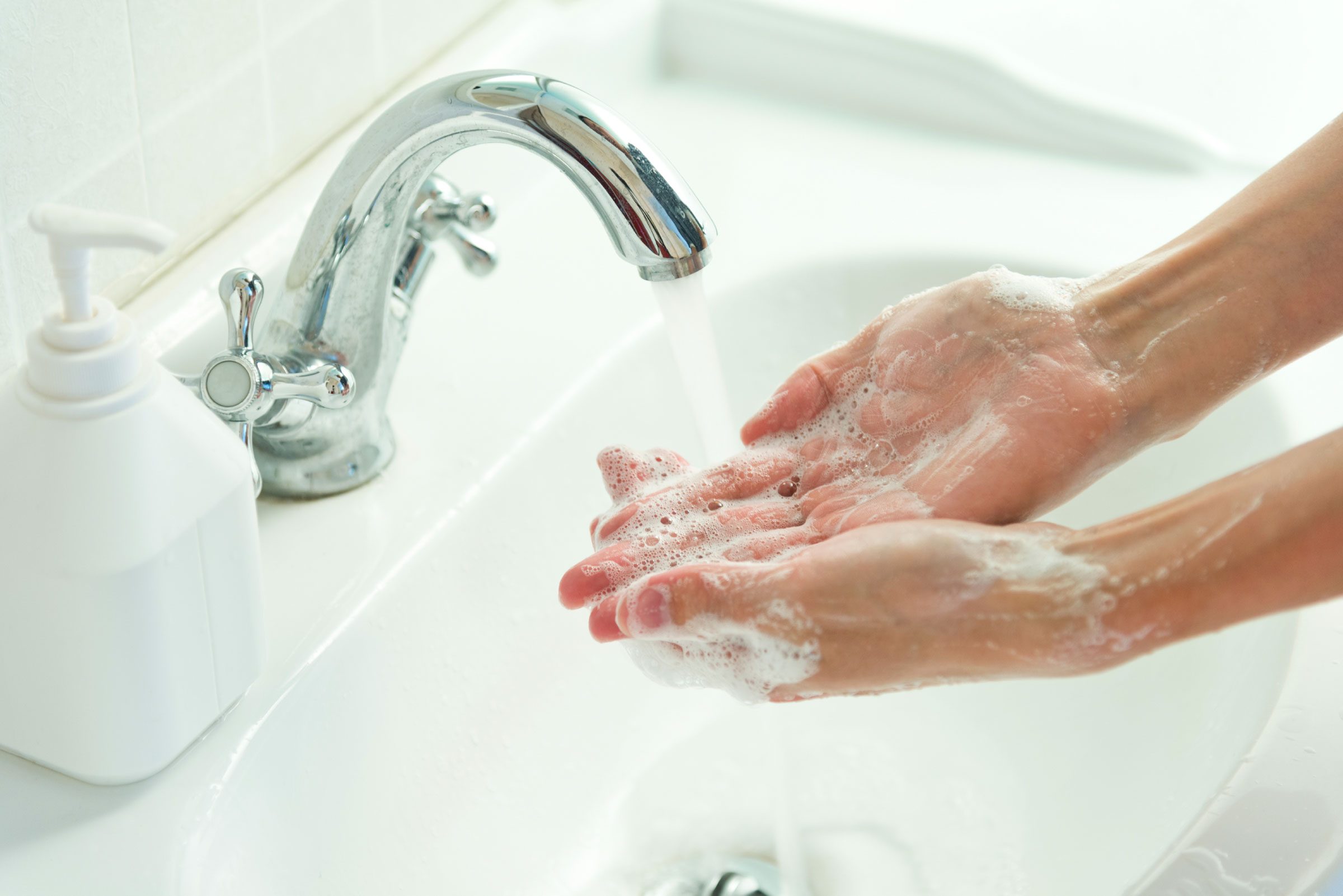
Many people are stocking up on hand sanitizer, but doctors and the CDC recommend that the best method of disinfecting yourself is to wash your hands for 20 seconds as often as possible. Hand sanitizer should be used for moments when you are on the go, in your car, or out in public with no bathroom to wash your hands. Frequent use of hand sanitizer has led to creating super bugs such as Enterococcus faecium, where certain strains of the bacteria have been able to become resistant to antibiotics and hand sanitizer over the years due to frequent usage of these products. If buying hand sanitizer, make sure it is an alcohol based hand sanitizers of at least 60% alcohol concentration for those moments on the go. However, the best thing to do is wash away those suckers!

Washing Surfaces with My Spray and Reusable Rag

You must be wondering now, what do you mean by “my spray”? Well, I have my handy dandy surface cleaner that I got from Fillaree, which is amazing and disinfects well! Smells great too! There are many places you can buy surface cleaner in bulk, and again it does not need to be “antibacterial” to do the job. Having 60-70% alcohol content or simple soap and water will do the job. When I’m done with my rags, I put them in the dirty laundry to clean, having the washer, laundry detergent, and water get the job done. Also, Menachery mentions that you are unlikely to get COVID-19 from fabrics since, ““if the surfaces absorb, it’s harder to transmit the virus.” But in case, always wash your hands after doing an intense scrub down of your home.

Avoiding Disposables for As Long as Possible to Save Supplies for Those in Need

“I Stayed At Work For You, You Stay At Home For Us ...
Citation

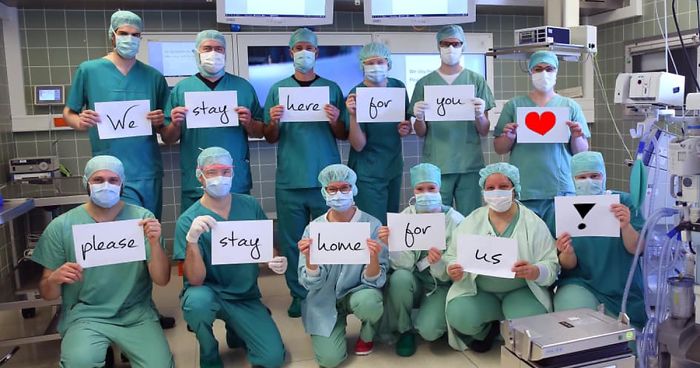
Many people have been buying gloves, masks, and disposable wipes in fear and wanting to protect themselves from coronavirus, but if you’re healthy, do not show symptoms, and have not been in direct contact with anyone that you know has COVID-19, the supplies is much needed for those who are actually infected or are trying to treat patients. The World Economic Forum explains, “Panic buying masks can reduce supplies for health workers who need them the most. If masks run out for them, the virus could spread much faster…. there won’t be masks available in places where they’re needed most.”

                If you want to make sure you are doing your part, refrain from using these items the health care system needs to use to help protect and prevent the spread further. Practicing social distancing in a fun and positive manner, staying home as much as possible, and washing our hands properly often can be the best thing we can do to protect us all from COVID-19.

Sustainable Tip #7: Have a Zero Waste Lunch Every Day

One great way to budget is to pack your food and bring it to work or school. By packing zero-waste meals instead of having to buy paper bags filled with disposable items and avoiding eating out on lunch breaks, your lunches can cost a lot cheaper. Reusable lunches can be 35% cheaper, and Julia Layton from howstuffworks calculated that by making $4 meals at home versus $10 meals eating out everyday at work could save you $1500 a year! Here’s some easy swaps and where you can find them!

Plastic/Paper Bag -> Reusable Lunch Bag

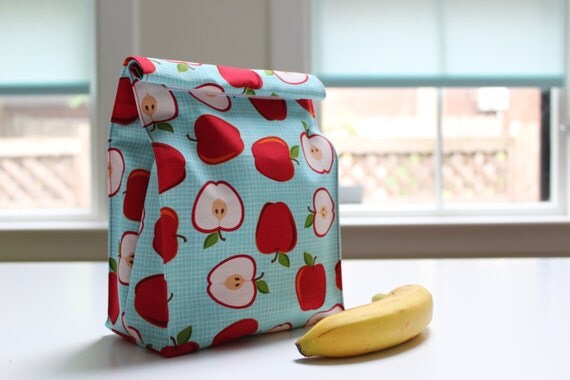
Although paper bags can technically be recycled, they cannot be if it gets contaminated with food and still consumes resources. Reusable bags can last a long time to get through your child’s education, or the next 30 years at your job. Either way, it saves plenty of waste from going to the landfill.

Anything can become a reusable lunch bag, but insulated lunch bags can help to make sure your food items stay cool for longer. Here’s some ideas on what to use and where to buy them:

  • Reusable Grocery bag- When you’re not buying groceries, use the same bag to hold your lunch items in.
  • Insulated lunch bag- These can be bought at various stores including Target, grocery stores, and other markets. Depending on how long you stay out without access to a fridge, you can buy a more insulated one with an ice pack to keep things cool.
  • Thrift Stores- If you go to thrift stores like Good Will, you may be able to find cool, vintage lunch boxes for a cheap price and rock the antique look while being sustainable.
  • Online Markets- Some online websites like Poshmark and shopgoodwill.com people sell items they no longer need. You may be able to find cute, fashionable lunch bags at a cheaper price while not having to consume new resources!
Disposable Containers -> Reusable Containers

Disposable containers can add up to a lot of waste and if its homemade, there’s no need for extra waste! Here’s some ideas for reusable containers:
  • Stainless Steel Container- These are great to make sure your items stay sealed tight, especially for soupy items. These cannot be microwaved, but if you keep a plate at your office, then you can heat items on a separate plate or bowl. These can be bought in all different sizes at Package Free Shop and they carry containers from Clean Kanteen as well.
  • Plastic- Although plastic is not always the best option, reusable plastic containers for those who may have butter fingers and drop items often, this may be a good option for you then. Many of these you can find at your grocery stores by brands such as Ziploc. These are generally the lightest container, but make sure the container is considered microwave safe as well. If not, the plastic may melt and expose you to toxic chemicals.
  • Glass- There are multiple brands such as Pyrex and Prep that sell glass reusable containers. However, keep in mind that this type of glass most of the time cannot be recycled. Most of the times these containers have been treated with chemicals so that they can withstand high temperatures, hence they can be placed in the oven or in the microwave without breaking. If you break your glass container, make sure that if it is heat resistant that it goes into the trash and not recycling as it is considered a contaminant.
  • Ceramic– These may be found at more higher-end cooking stores or even stores such as Urban Outfitters. You can also find these second hand at thrift stores, Poshmark or shopgoodwill.com. Just make sure before you buy they are microwave safe before exposing them to heat.
  • If you want to make sure you’re getting the best containers, check out this review by Best Products from 2019 to make sure you get your money’s worth out of your products
  • Many of these again you can find on Poshmark, shopgoodwill.com or any other second hand/buyback websites if you’re trying not to consume more resources.

Ziploc/Sandwich Bags and Plastic Wrap -> Reusable Food Storage Bags

Worldwide, a trillion single-use bags are made each year, meaning 2 million of them are used each minute. Plastic snack/sandwich bags do not need to be adding to that number.

These are light and easy to dispose of, but with the rising issue of single-use plastic bags, an effort needs to be made to reduce single-use baggies as well. There are multiple reusable silicon bag options. Stasher is a popular brand that is sold at Whole Foods and Package Free Shop carries them as well. The Strategist ranked the top four reusable baggies as Rezip, Planet Wise, POAO, and Bee’s Wrap. These can be reused and washed multiple times to keep using them for multiple lunches.

Single-Use Utensils -> Reusable on the Go Utensils

Check out my Sustainable Tip #3 to have a reusable utensil kit at all times to get ideas of where and what kind of utensil kits you can buy!

Plastic Wrapped Sauces -> Mini Reusable Containers

For some salads, dressing is a necessity but plastic wrap isn’t! Sometimes salads cannot keep their crunchiness when it has been soaked for hours in dressing. Buy your favorite dressing as plastic-free as possible and get these small containers to keep your dressing safe and mess-free!

You can either get little plastic containers that seal tight to keep your favorite dressings in. Or you can buy these cute little Dressing-2-Go containers to have a mini bottle of dressing ready to go!

Some containers are made for salads and have salad dressing containers designed within the container.

Disposable Napkins -> Reusable Napkins

Save trees by using a reusable napkin! Some reusable utensil kits come with a napkin so you can always have one on hand with your utensils as well. Package free shop sells unpaper towels as convenient cloth napkins on the go or to use around the house. If you do not want to use up new resources, use an old shirt, cut it into squares, and reuse your shirt with your meal instead of going to the landfill!

Any other ideas on how you create your zero waste lunch? Let me know in the comments!

Website Links for Pictures:

DIY Lesson #3: Valentine’s Day Gift Ideas

A gift I made for my secret valentine last year

Thinking of what to get your loved one that will be sustainable but also won’t hurt your wallet? Here are some ideas that will help you feel better about your environmental impact this Valentine’s Day, as well as make it more unique then the typical Valentine’s gift.

Give a Succulent, Cactus, or Any Potted Plant and Skip the Roses.

My cute succulent babies 🙂

Since this time of year roses are not growing in the States, most flowers get shipped from Colombia or Ecuador this time of year. To get roses for Valentine’s Day, large carbon emissions are produced for roses that last one to two weeks. Vox says “30 cargo jets fly from Colombia to Miami every day in the three weeks leading up to the big day and a similar amount fly out from Ecuador, amounting to more than 15,000 tons of flowers delivered in less than a month.” This is just for one city in the United States. Imagine the impact across the entire country!

Try buying flowers that are more local to your area and ask the florist where the flowers came from. You can get your loved one a potted plant as well like a cactus, succulent, or air filtering plants that do not take much maintenance. I also like to say that potted plants represent the growth and prosperity of a relationship :). But that may not be the best for people that seem to think they are bound to kill plants.

Buy Them Chocolate From a Local Chocolate Shop and Bring Your Own Container or Buy in Bulk at the Store

All City Candy Milk Chocolate Caramel Bites - 3 LB Bulk Bag Bulk Unwrapped Albanese Confectionery For fresh candy and great service, visit www.allcitycandy.com
Citation

My favorite toxicology fact is that phenethylamine is a form of dopamine our bodies produce particularly when in a relationship and sometimes we crave chocolate when we’re feeling low on phenethylamine. I crave chocolate, in or not in a relationship, but many chocolates in the store are wrapped in plastic or containers that can’t be recycled. Support your local chocolate shops and get some of their loose chocolates and ask them to put your sweets in your container.

Many places such as Whole Foods, Co-op, and Sprouts also sell chocolate or chocolate covered items in bulk. Bring your bag or container and buy them in bulk to munch with your favorite person.

Make Them Their Favorite Food

I personally love to cook and bake. I notice that people find it more valuable when I spend the time to make something for them rather than buying them food because it shows I took the time and effort to make it for them. Make them their favorite meal or dessert, and that way, you can be in control of where the ingredients come from as well as how much packaging it comes in. And if you’re not great at cooking, then hire your friend that’s a great chef for the night to be your personal chef.

Make Them a Gift

Just like cooking, a gift that is made from the heart can show your true love for your significant other. Whether it is painting, sewing, making a graphic design, sculpture, or homemade card, express your love through art. I personally love doing embroidery and every embroidery gift I give has been cherished by my friends and loved ones. These are also very relaxing activities so it can be a great way to take a break and know they will love what you make them.

Spend the Day Doing an Activity You Both Love

Showing your love for each other does not need to be shown through buying objects. Make the night eventful by going out dancing, going roller skating, or seeing a movie. Maybe go on a day hike at your favorite hiking spot. Or spend time at the place you first met. This day is about showing how much you love one another and you should make the most out of it while having a good time.

Buy Antique Jewelry

Image result for antique jewelry
Citation

If your partner does have a craving for shiny objects, buy something for an antique or thrift store. Maybe even giving a piece of jewelry from your family lineage that is as special to you as they are. Hopefully won’t be as expensive as a brand new necklace or bracelet and maybe have more sentimental meaning behind it.

Any other ideas you can think of or have done for your significant other? Let me know!

Sustainable Tip #5: Say “No” to Plastic Straws

Plastic bags, straws, Styrofoam. Why we need to ditch them ...
Image source

“The world is changed by your example, not by your opinion.”

-Paulo Coelho

To start the new year plastic-free, one of the best news years resolutions to create is to break the habit of plastic straw use. An article about the history of plastic straws, published by National Geographic, says about 500 million straws are used each day and a study found that they may be 8.3 billion straws are scattered across the world’s beaches. Although it only makes up 0.025% of the plastic in the ocean, it is a huge culprit for harming wildlife. Here are three steps you can take to be in the movement against plastic straws, and single use plastics in general:

Request No Straw at Restaurants And Events

Get into the habit of not needing a straw. Whenever you put in a drink order while eating, at the bars, or at events, simply request no straw. If you travel around to places that do or do not use plastic straws, you’re always in the habit of saying no in case. And you may encourage others to make the same request.

Bring Your Own Straw On The Go!

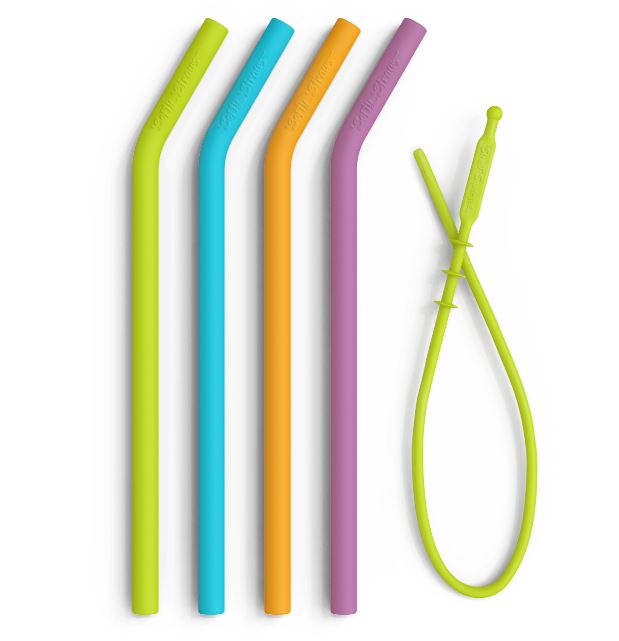
There’s plenty of reusable straw options out there, and if you enjoy a straw with your drink, I definitely suggest making the investment. It is also makes a great gift!

Some Options to Choose From:

Other Metal Straw Options and Other Silicon Straw Options

Encourage Plastic Straw Bans in Your Favorite Stores and Your Community

A number of cities and states including Florida, Boston, Massachusetts, Oregon, and New York City, New York have introduced plastic straw bans. See what your local or state governments is doing to take action against straws and encourage them to take action if they have not already done so. You can also encourage your favorite restaurants or drink shops to take action by implementing paper or metal straws, or to only provide straws when requested.

What do I think About Paper Straws?

I think that paper straws are a push in the right direction, but not the best solution. For one, I hear so many people complain how their sipping experience is unsatisfactory with paper straws and that they may break down. I also find that using them is still consuming a single use resource that if not properly recycled or composted, it can be a large use of resources. It is a slight step forward, but I believe either using a reusable straw that can be used multiple times or no straw at all are better solutions.

Granted, there can be some exceptions for using plastic straws, such as for people that need to use them for medical reasons. However, if you do not need to use them, help lessen the amount that ends up in our oceans.

Ready to Make the Switch?

Image Source

Sustainable Tip #4: Buy Your Food, Household Supplies, and Beauty Products in Bulk

The scoop on buying in bulk - San Antonio Express-News
Image from mysanantonio.com

Reasons to Buy in Bulk:

1.Buy as Much or as Little as You Need

Buying in bulk means getting the amount you need. When helping my friends move out, so much packaged food was wasted because they did not need the whole quantity. If there are certain spices that you do not use too often you can get less, or if you have cereal everyday and don’t want to make trips back and forth to the store, then stock up all at once . Buy what you need and waste less food.

2. Save Money:

According to mindbodygreen, buying in bulk can save family up to $500 a year! Depending on the items you buy, they can be cheaper than when buying them from the package, and in the long run can save you time and gas because you make less trips to buy common items you use.

3. Avoid all of the little food packaging and chemical exposure

Link for image

A lot of the foods wrapped in those little wrappers leads to a lot of waste. They also use a lot of artificial flavors and additives help them sit on the shelves for long periods of time that your body does not need to be exposed to. Check out these articles to read more about how additives can impact your health for both better and worse: The Ecologist and healthline

Why You Should Buy Bulk Foods : TreeHugger
Image from treehugger.com

4. Eat more whole and less processed foods

When I started buying in bulk and avoided packaged food, I was eating more food that was making me feel less bloated and had less inflammation. I used to suffer a lot from roasacea and acne, but by cutting out these food helped reduce the inflammation in my face and cleared my skin!

Here is a list of Bulk Food Stores I shop at and You Can Find in Your Area:

  1. WinCo- It’s like the CosctCo of bulk foods. They have multiple bins filled with grains, snacks, nuts, beans, etc. and all at reasonable prices!
  2. Safeway- They have been working to slowly convert their stores with bulk sections to meet your bulk needs, mainly for food items.
  3. Whole Foods Market- Almost every Whole Foods has a bulk section, but the size may vary depending on the store. They mainly have food items but at some locations you can get fresh churned peanut butter or honey.
  4. Co-ops- Depending on the location, they may have bulk food, household, and beauty products.
  5. Refill Madness- The store is located in Sacramento, CA. They do bulk household and beauty products, but no food items.
  6. Litterless has a list of all of the bulk stores within the entire United States and including the cities and regions you can find them within each state. The stores range in bulk for food, household, and beauty products.

Here are some tips on healthline on the best and worse things to buy in bulk. Keep in mind, however, that “buying in bulk” does not always mean more. It also means buying only a small amount of products you use less often.

Sustainable Tip #2: Switch Out the Plastic Bottle for a Reusable One

“I’ll tell you what me scares me is plastic….Why does my water have to be in a bloody plastic bottle? The landfill and the ocean. And I don’t know, I’m just terrified with the proliferation of plastic.

Helen Mirren, British Actress
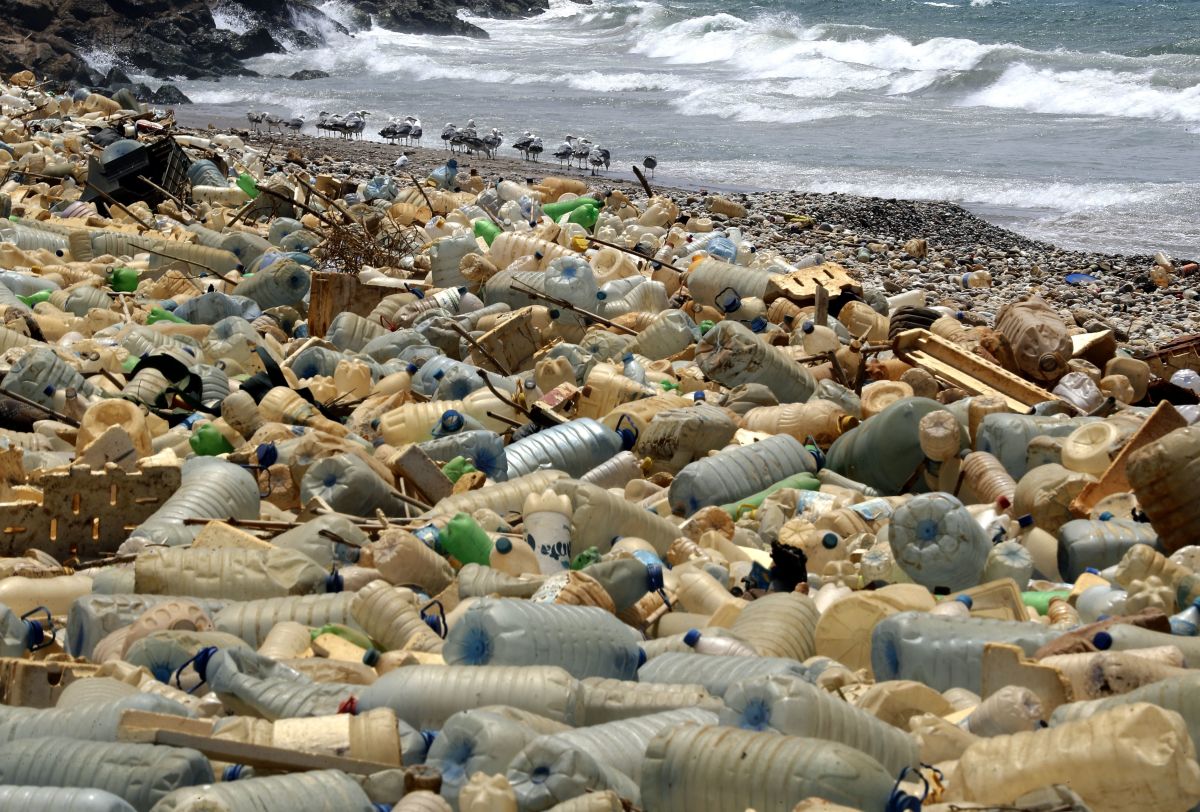
Seagulls search for food near a sewage discharge area next to piles of plastic bottles washed away by the water on the seaside of Ouzai, south of Beirut, on July 19th, 2018. Many Lebanese nationals are refraining from heading to the beach this summer after reports about high levels of pollution along the country's Mediterranean coast, despite reassurances from government officials that the beaches remain safe.
Taken from Pacific Standard

Over 480 billion plastic bottles are sold worldwide. It is one of the common items we are using to pollute our oceans that we have become addicted to the convenience. Here are five reasons why to change to a reusable bottle and how to do it:

Reason #1: Reduce the Amount of Waste Going into Our Landfills and Oceans

A majority of plastic bottles do not get properly recycled and most of the time they will end up in our landfills and oceans. If every person on the planet only drank from plastic water bottles, it would be over 1,382 bottles per person, equivalent to over 10 trillion plastic bottles each year. Every person that eliminates their plastic water bottle consumption leads to less plastic and a cleaner environment.

Taken from VPIRG

Reason #2: The Payback for a Reusable Container Beats Thousands of Plastic Water Bottle

Many people can be hesitant about getting a reusable bottle because of the upfront cost people have to pay. However, as I learned at Zion National Park, you can refill a reusable water, “with tap water for 10 years, 5 months, and 21 days before it would cost as much as one quart of bottled water.” If that isn’t convincing money savings, using plastic bottles for one year would cost you over $2000 a year, or $21,708 in that same time period. Save money and the planet. ❤

Reason #3: The Water Quality Within Tap Water is The Same, Sometimes Better Quality Than Bottled Water

There’s a misconception that bottled water is safer than tap. Studies have found tap water is about the same and sometimes better quality than bottled water. That’s because drinking water that is provided through public water systems is regulated, while bottled water is not and they could be pulling the water source from anywhere they wanted to. Studies also found most of the time people could not tell the difference from tap and bottled water. Look up what the water quality is like in your area or install a filter system in your home to ensure the safety of your tap water.

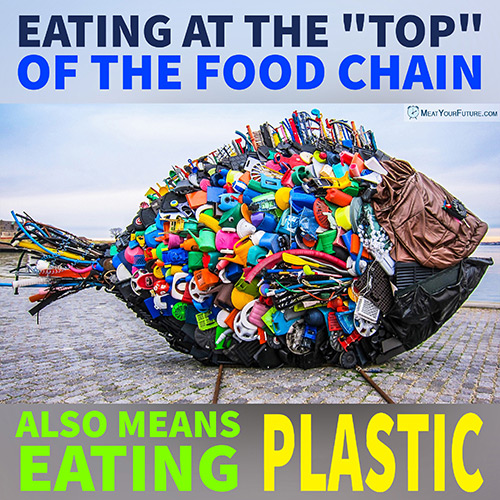
Eating at the "Top" of the Food Chain Also Means Eating Plastic | Meat Your Future
Taken from Meat Your Future

Reason #4: You Care About Your Health

Because of our plastic consumption, we have already been consuming plastics, unintentionally. A study found that humans could be consuming 39,000 to 52,000 micro-plastic particles a year, and possibly inhaling over 74,000 particles. Another study found over 90% of bottle companies had plastic fibers coming off their bottles people could consume. If we do not want to continue consuming plastic, we need to reduce our plastic use so we can consume more of natural foods, plastic free.

Reason #5: You Care About the Planet! ❤

Passion does fuel change. If you don’t want the world to be overwhelmed with plastic for future generations, get yourself in the habit to make the world a better place. ❤

Tips to Get You in The Habit of Using a Reusable Bottle:

  • Have at least two water bottles or containers available. Have more reusable bottles around so if you ever get lazy and do not want to wash your bottle, you have another one ready to go. You can place a bottle in your car, in your bag, or in your office space so you always have one on hand at all times.
  • Set a reminder on your phone to grab your bottle. If you are forgetful or trying to start the habit, it can remind you on your way out.
  • Personalize it. Getting a bottle with a nice design or putting on stickers makes your bottle like a fashion statement. You will be enticed to show off your bottle and you always know which one is yours.
  • It doesn’t need to be an official water bottle. Many people have used other containers including glass jars to put water in. Use what is convenient for you.
  • If you are traveling or going to events, make sure your water bottle is empty before entering. Some places will not allow you to take in a bottle with water in it for security reasons. If you bring the container, you can fill it up after passing through airport security or event check in. An event should not be an excuse to use a plastic bottle!

Exceptions When to Use Plastic Bottles:

  • Natural Disasters
  • Poor Water Quality in the area
  • Medical Epidemic

List of Bottle Ideas Depending on Your Preference:

Glass: Simply use a mason jar or glass jar after use, Package Free Shop, and here’s a mass search too

Ceramic: EarthinUSA, mass search

Stainless Steel: Package Free Shop with different sizes, Hydro Flask, Tervis, mass search,

Collapsible Bottles: Que, mass search

Durable Plastic: Tervis, Brita , mass search

Sustainability Spotlight: Who Gives a Crap

“We make all of our products with environmentally friendly materials, and we donate 50% of our profits to help build toilets for those in need.” 

Adapted from Who Gives a Crap

Whenever you try to buy toilet paper at the store, it’s wrapped in plastic. If you try to order toilet paper online or through other websites, it may come in a big box, but wrapped in plastic.

Who Gives a Crap is a toilet paper company that is reducing plastic, saving trees, AND helping build toilets for those who do not have access to them. I say they are a triple threat in making the world a better place!

About Their Toilet Paper:

  • They are made out of 100% recycled toilet paper to help reduce paper consumption and save trees.
  • The paper is ink, dye, and scent free so if you are sensitive to any of those traits, they got your bum covered.
  • It is a 3-ply toilet paper so it is not like the crappy kind you get in the public bathroom stalls where you need to use multiple sheets for a clean bum satisfaction.
  • Super cute packaging to help you avoid plastic and feel like you are unraveling a present for your bum!
  • Super reasonable- 48 rolls costs 48 bucks so you get 25 cents worth per 100 sheets, which includes shipping!

How They Help Make the World a Better Place

A critical issue that people in developed countries can sometimes take for granted is our sewer systems and toilet hygiene. Overseas in developing countries, they have poor sanitation and water, leading to about 289,000 children under five dying every year, equivalent to 800 children losing their lives each day. Who Gives a Crap donates 50% of their profits to organizations such as WaterAid Australia, Sanenergy, Shining Hope for Communities, and Lwala Community Alliance to implement sanitation projects in developing companies. As of September 25th, 2019, they have donated over $1,300,000 to these organizations

Adapted from Who Gives a Crap website accessed September 25th, 2019

Ready to Have Your Bum Wiped With Awesomeness?

Here is a direct link to their page where all of the information has been cited from: Who Gives a Crap

  • They also have tissues and paper towels you can check out, but personally, I have only used their toilet paper.
  • Also, if you like their products, you have the opportunity to give your friends $10 off when you refer and you get $10 off as well so it’s a win to save money so you can treat yourself to a nice dinner after your efforts to help the planet 😉
  • There are other great plastic free toilet paper companies like Pure Planet, but this is a product I have personally used and enjoyed. Just keep in mind the more demand for plastic free toilet paper and companies like these, the more we can make a difference

If you have used this product before or know of other great toilet paper companies helping the planet and reducing plastic consumption, leave them down in the comments 🙂

Sustainability Tip #1: Be Conscious About Your Waste Decisions and Why You Want to Change

Photo taken from Reddit:

“I want to be remembered for the things that I did while on this planet, and not for the trash that I left behind.”

Lauren Singer, CEO of Package Free Shop
2015 TEDxTeen Talk https://www.teenvogue.com/story/lauren-singer-zero-waste-lifestyle

We are addicted to convenience. Convenience leads to an overload of waste. Think of a smoker who knows that smoking is bad for them, but it may take the realization of getting cancer or how their addiction is impacting their loved ones for them to want to take action to stop smoking. People need to realize how our waste is impacting our planet and feel guilt for how their action. There are some smokers that do not stop and there are some people that waste so much and are the root of the waste problem. This is not about me or others telling you that you need to make a change, you need to want to make the change.

The first part in stopping any addiction is to become aware of our actions and why they are bad. With the ease of consumerism and convenience of takeout, people have become almost mindless to just accept the wasteful life with disposable cups, conveniently packaged snacks, or online shopping. You do this because it is quick and easy to do, right? But being sustainable can be easy too, you just have to kick out the bad habit and trade it in for a sustainable one.

The second part is realizing the impact of your actions and why you need to change. Part of understanding this is realizing that although you are one of 7 billion people, all our actions together make a huge impact. All it takes is 20 seconds, maybe even 5 to think about your action before you act. Let’s use an iced coffee container with a plastic straw for example. Say you get an iced coffee every- weekday. Multiply 52 weeks in a year by 5 makes 260 cups of coffee and 260 plastic straws. If 7 billion other people did this (I know not everyone does but for this example), that would be 1,820,000,000,000 cups and straws wasted and that is just from coffee addiction in one year.   If this is all going to the trash, it goes to landfill or into our oceans. Think about how this may be affecting people that are living by the trash or creatures in the ocean choking on straw. How does it make you feel? Personally, it makes me feel terrible thinking that I am doing this to our planet, but realizing the impact of your actions yourself will make you more willing to change.

Action for you:

Start making a list of where you consume plastic during this month. Then think about how many of those you need versus how many you think you could avoid by making changes.

“Change starts with us all. We need to change our mindsets, we need to change our perspectives…then we will deliver a sustainable future.”

– Sally Uren CEO, Forem of the Future from GreenBiz

Again, I am not asking you to give up everything wrapped in plastic, but I want you to start thinking about your actions before you change for you to start thinking about what plastic habit you can stop. Maybe it will start with the reusable cup on the coffee run. If you go to Starbucks every day with a reusable cup, you’d be saving 26 dollars annually from the 10-cent cup discount they give you, which can add up when you have a coffee addiction. Starting slow is key and if you follow my tips and work to master one each month, your actions onward can go a long way to stop wasteful habits.