

“You’re more likely to get coronavirus buying something new that got coughed on by the last person to walk down the aisle than from a secondhand item that’s been washed with soap and water or wiped down with sanitizing wipes.”
– L.V. Anderson, Wired
The Coronavirus (COVID-19) outbreak has led to shock and dismay across the world. Many people don’t know how to react and respond to the pandemic. During this time of uncertainty, I am left to wonder how COVD-19 will impact sustainability. Long ago, I swore to never use disposable coffee cups again, but coffee vendors such as Starbucks, Dunkin’, and Tim Hortons stop accepting reusable coffee cups to reduce risk of its workers infected by coronavirus. Likewise, I also received messages from friends and family advising me to refrain from having other people fill my reusable items. While many may think using disposable items reduce their risk of contracting COVID-19, I’ve learned this is not necessarily true. This is how I will be pushing my efforts to protect myself, reduce my exposure, and continue my sustainable lifestyle.
Cooking My Meals and Making My Own Drinks at Home
When it comes to grabbing a cup of coffee or ordering takeout, getting items in a disposable container does not make it necessarily safer. As Tom Szaky, CEO of TerraCycle, a company who works toon creating a recycling platform for non-recyclable plastics, says, “no disposable package is today sterile, just to be explicitly clear.” Starbucks makes the case to protect its workers to limit exposure of being handed cups that may come from a person with COVID-19. However, from the vendor end, someone handing you a reusable cup would be the same risk as being handed a disposable cup. However, according to Dr. Donald W. Schaffner, Director of the Food Science Graduate Program Rutgers University, “You’re more likely to get sick from a restaurant patron sneezing on you than from the person handling your food. If someone sneezes on your plate and you touch the wet droplet with your finger, then rub your eye, you might get sick. But if that person touches their face and then your plate, that’s a dry transfer and the probability of contamination is lower.” This shows that whether it is a reusable or disposable plate, the most risk that comes is how the vendor handles the food and they take precautions to not cough or sneeze on the food.

The best way I’m reducing any exposure from COVID-19 is by cooking at home with items that I know where they have been and how thoroughly they have been cleaned. Bea Johnson, one of the founders of the zero-waste movement explains, “With disposables, you have no idea who has touched it. With your own reusables, you do!” I meal prepped the other day knowing where my food came from, how clean my dishes were beforehand, and ensured they would be wash with copious amounts of soap and water to ensure my safety. Along with me washing my hands before, during, and after cooking. Vineet Menachery, an assistant professor of microbiology at the University of Texas Medical Branch, says, “relatively minor cleaning will actually dissolve or destroy the virus…I wouldn’t expect any virus to survive a dishwasher.” Avoiding take-out reduces your risk of contracting the virus AND leads to greater savings. Research has found that on average, people spend $100 on take-out per month leading to $1,175 a whole year. I also find for me personally it’s a great way to relieve stress. 🙂

Instead of getting my caffeine fix in a disposable cup, I make my own tea at home. By doing so, I 1) reduce using disposables 2) save money and 3) practice social distancing. You can do the same to help reduce your costs while saving the amount of waste that goes into the landfill. Buy tea leaves or coffee grounds from coffee shops or at the store to brew them at home to enjoy in your favorite reusable cup.
Stocked up on Bulk Foods
Before coronavirus was even a threat, I stocked up on some necessities such as rice, flour, oats, lentils, and sugar from my regular bulk shopping. But what about the safety of my food? Fortunately, there should be no sign of COVID-19 within my bulk foods since I did not buy these bulk items recently. If you currently are buying food in bulk, make sure that you wash your hands before and after handling bulked food containers. I would strongly recommend limiting bulk food shopping to items that you will be cooking. Cooking the food at high temperatures can help to kill the virus if in contact with food, as discussed by Dr. Todd Ellerin in a podcast with Harvard Health Publishing. If you plan to eat bulk food items dry, wait a week or so until you try to consume those food products.
Buying Canned Foods and Items in Recyclable Packaging
Many items come in disposable packaging, but I am still simply refraining from buying items that are non-recyclable or non-compostable. Buying canned goods is great for long term storage if you can’t buy them in bulk. I check packages as well to see if I can find options of packaged goods where their packaging is recycled as resources are limited in times like these.
Washing my Reusable Bags and Containers

Again, a disposable bag is not necessarily safer than a reusable bag. If you want to reduce your risk of exposure, simply wash all of your reusable bags in the washer before you head to the grocery store. Once you empty your bag of purchased items, wash your bags again before your next trip to the store.
Washing my Hands as Often as Possible:
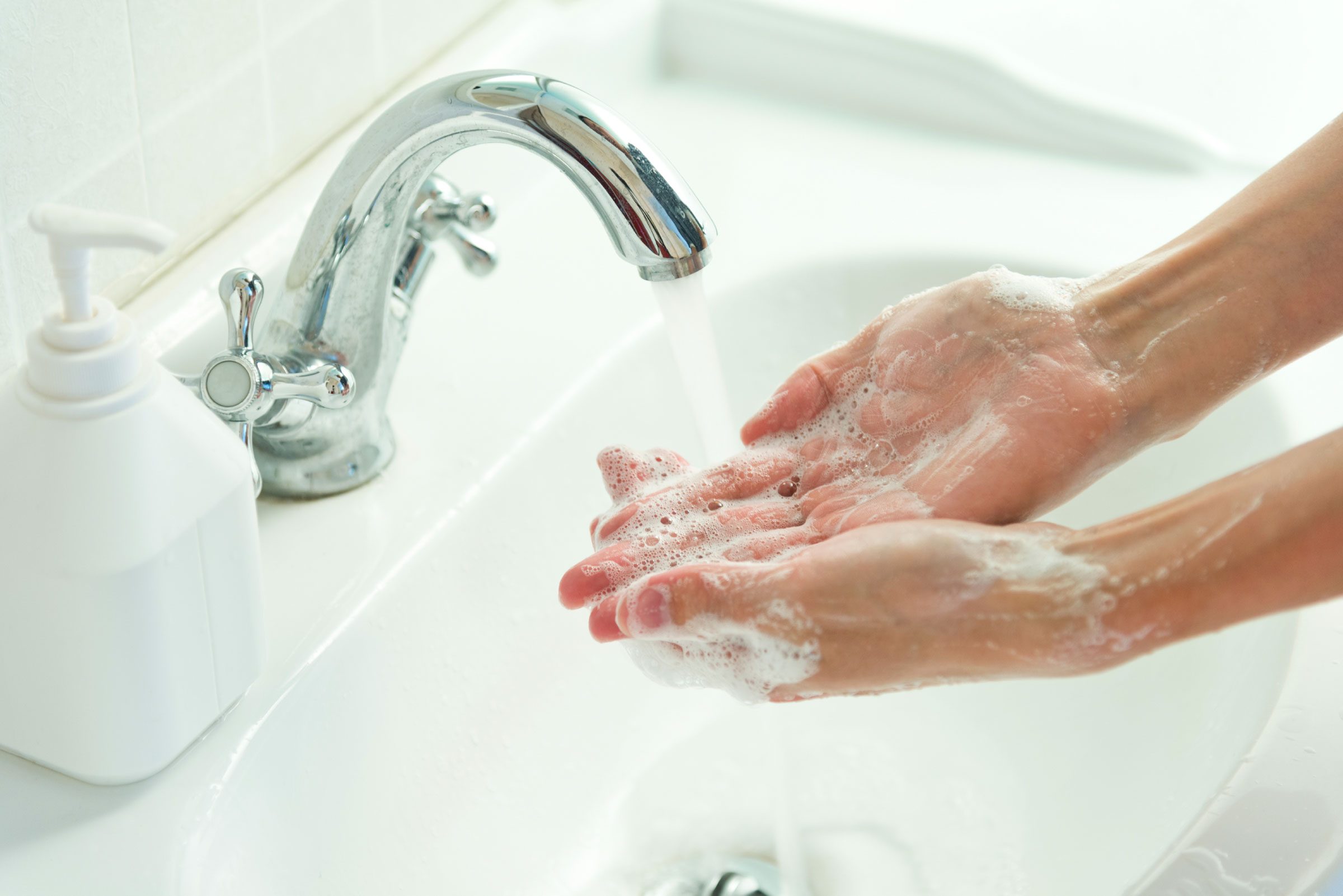
Many people are stocking up on hand sanitizer, but doctors and the CDC recommend that the best method of disinfecting yourself is to wash your hands for 20 seconds as often as possible. Hand sanitizer should be used for moments when you are on the go, in your car, or out in public with no bathroom to wash your hands. Frequent use of hand sanitizer has led to creating super bugs such as Enterococcus faecium, where certain strains of the bacteria have been able to become resistant to antibiotics and hand sanitizer over the years due to frequent usage of these products. If buying hand sanitizer, make sure it is an alcohol based hand sanitizers of at least 60% alcohol concentration for those moments on the go. However, the best thing to do is wash away those suckers!
Washing Surfaces with My Spray and Reusable Rag
You must be wondering now, what do you mean by “my spray”? Well, I have my handy dandy surface cleaner that I got from Fillaree, which is amazing and disinfects well! Smells great too! There are many places you can buy surface cleaner in bulk, and again it does not need to be “antibacterial” to do the job. Having 60-70% alcohol content or simple soap and water will do the job. When I’m done with my rags, I put them in the dirty laundry to clean, having the washer, laundry detergent, and water get the job done. Also, Menachery mentions that you are unlikely to get COVID-19 from fabrics since, ““if the surfaces absorb, it’s harder to transmit the virus.” But in case, always wash your hands after doing an intense scrub down of your home.
Avoiding Disposables for As Long as Possible to Save Supplies for Those in Need
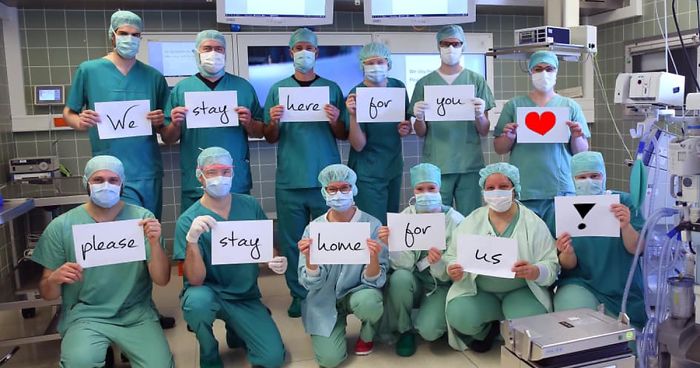
Many people have been buying gloves, masks, and disposable wipes in fear and wanting to protect themselves from coronavirus, but if you’re healthy, do not show symptoms, and have not been in direct contact with anyone that you know has COVID-19, the supplies is much needed for those who are actually infected or are trying to treat patients. The World Economic Forum explains, “Panic buying masks can reduce supplies for health workers who need them the most. If masks run out for them, the virus could spread much faster…. there won’t be masks available in places where they’re needed most.”
If you want to make sure you are doing your part, refrain from using these items the health care system needs to use to help protect and prevent the spread further. Practicing social distancing in a fun and positive manner, staying home as much as possible, and washing our hands properly often can be the best thing we can do to protect us all from COVID-19.
 imnottrashy.home.blog