A delicious and healthy vegetarian meal everyone can enjoy. You can choose to make the filling, enchilada sauce (instructions below), and the tortillas all available on my blog on how to do it! Enchilada filling adapted from weelicious and enchilada sauce adapted from allrecipes
Ingredients:
Enchilada Filling:
2 large sweet potatoes to make about 2 cups
1/2 teaspoon garlic powder*
1 teaspoon onion powder*
1/2 teaspoon ground cumin*
1/2 teaspoon kosher salt*
1 15-ounce can black beans, drained and rinsed
1 1/2 cups shredded Mexican blend cheese or cheddar cheese or any cheese of your liking*
If you use the Enchilada sauce recipe provide, plenty of flavor is given from the sauce and extra spices are not needed
Five to eight tortillas depending on the amount of filling desired in the enchiladas
Tools Needed:
Large bowl
Small bowl
Something to mash the potatoes with
Big spoon
Teaspoon and cup measuring tools
1 or 2 9 x 11 baking dishes, depending on how many tortillas are prepared
Cheese grater if grating cheese
Baking sheet, fitted with aluminum foil optional
Enchilada Sauce:
1/4 cup vegetable oil
2 tablespoons self-rising flour*
1/4 cup chili powder*
1 (8 ounce) can tomato sauce
1 1/2 cups water
1/4 teaspoon ground cumin*
1/4 teaspoon garlic powder*
1/4 teaspoon onion salt*
Salt for taste if needed
Tools Needed:
Liquid measuring cup
Big spoon
Teaspoon and cup measuring tools
Small sauce pan
How to Make the Dish Zero Waste:
All ingredients marked with * can be bought in bulk at stores like Whole Foods, Co-ops, WinCo, etc. Check out my post on buying in bulk to find the link to search for a bulk store near you. The potatoes can be bought at practically any place bag free. The beans can be bought canned or dried in bulk. I try to buy the cheese at deli counters in bulk by buying a chunk and having it wrapped in paper or bring my own container to avoid getting it in a plastic bag.
Instructions:
Making the Sauce:
Heat oil in a skillet over medium-high heat. Stir in flour and chili powder. Reduce heat to medium and stir constantly to prevent burning flour.
Once the flour gets light brown, stir in tomato sauce, water, cumin, garlic powder, and onion salt into the flour and chili powder until smooth. Continue cooking over medium heat approximately 10 minutes, or until thickened slightly. Taste and see if it requires salt or any other spices needed.
Making The Enchiladas:
Preheat the oven to 400 degrees.
Place the potatoes on the baking sheet, lined with aluminum foil or without it. Poke holes into the potatoes using a fork and bake for an hour.
Prepare other ingredients while the potatoes are baking and when the potatoes are done, turn down to 350 degrees. When the potatoes are down, peel off the skin and mash the potatoes into a big bowl. *If using the enchilada sauce recipe provided, making it while the potatoes is a good time to make it.*
Mix all the dry spices into a small bowl.
Grate the cheese and split half a cup and a cup of cheese into two bowls.
Once the potatoes are mashed smooth, combine spices, black beans, and one cup of cheese. Thoroughly the combine the ingredients with a spatula.
All ingredients together
All ingredients mixed thoroughly
Pour half of the enchilada sauce into the baking dish,
Lay out a tortilla and place 1/2-3/4 cups of the mix, depending on how small or big you want the enchiladas to be.
Place the enchiladas with the seam side down into the baking dish and repeat the process until all of the mix is finished.
Before placing in the oven
Placing on cheese 15 minutes after being in the oven
When all enchiladas are prepared, pour the remaining enchilada sauce on top. Bake for 15 minutes
Remove the enchiladas and spread the remaining half cup of cheese on top and bake for another 15 minutes or until slightly brown.
I absolutely love tortillas, but they are always wrapped in non-recyclable plastic and added with unnecessary added preservatives. This is a nice recipe to make your own fresh tortillas to avoid the plastic wrap as well as only using a few ingredients to avoid unnecessary preservatives. Adapted from nourish and fete.
Ingredients:
3 cups all-purpose flour*
1 teaspoon salt*
1 teaspoon baking powder*
1/3 cup vegetable oil, shortening, or lard
1 cup hot water
Tools Needed:
Large skillet or pan
Cup and teaspoon measuring utensils
Mixer (optional)
Mixing bowl (optional)
Large spoon (optional)
How to Make it Zero Waste:
All ingredients marked with * can be bought in bulk at stores like Whole Foods, Co-ops, WinCo, etc. Check out my post on buying in bulk to find the link to search for a bulk store near you.
Instructions
If you have a Standard Mixer:
Make sure you use a dough hook. Combine flour, salt, and baking powder, and mix briefly on low speed.
While the mixer runs at medium speed, add oil and hot water at the same time. Mix for one to two minutes. Scrape around the side at least once in between while mixing. Keep mixing the dough until it turns into a smooth ball and slowly slow down the speed.
If you only got your hands:
Grab large mixing bowl, combine dry ingredients and whisk briefly combine. Add vegetable oil and stir the mix until is similar to coarse crumbs.
Pour in hot water and stir to combine. Knead with well floured hands until the mixture is somewhat of a dough form and is smooth.
After it Becomes a Dough Ball:
Once the dough is made, transfer dough from the mixing bowl to a well-floured work board. Depending on how big you want the tortillas, divide into 16 roughly equal pieces for 6 inch tortillas or divide into 10 pieces for 12 inch tortillas. Roll each piece into a ball then slightly flatten the ball with the palm of your hand. Cover flattened balls of dough with a clean kitchen towel. Allow them to rest for 15 minutes to an hour.
Once the balls of dough have rested long enough, warm a large cast-iron or heavy-bottomed skillet over medium-high heat.
Keeping the work surface and rolling pin lightly floured, roll each dough ball into a circle about 12” in diameter. **Keep the tortillas away from each other as they can get stuck to one another, making it difficult to transfer to the pan. I avoid them from stacking by rolling them out as the tortillas cook on the pan.**
Transfer tortillas one at a time into the hot skillet. When first starting out, watch carefully and cook for about one to two minutes, until small bubbles form on the top and brown spots form on the bottom surface. Flip and cook the other side for about a minute. As you continue to cook, you may need to flip within 30 second to minute increments as the pan heats up. If you notice they are cooking faster than that, reduce heat.
Note: It is normal for the tortillas can start to “inflate” from air coming in, but as they cool off, the air will escape and go back to normal.
Stack cooked tortillas and when complete, turn off heat and loosely wrap the tortillas in a clean kitchen towel to keep them soft, pliable, and warm.
Serve immediately or cool for later use. Tortillas can be stored for 2-3 days in the fridge or froze in the freezer 2-3 months in a Tupperware container. When ready to eat, microwave for 15-30 seconds and enjoy!
Many makeup products can be a concern because it can be uncertain how the chemicals in those products can impact your health. So I wanted to find a natural alternative for mascara and one that I could create myself and you can too!
Left eye with natural mascara and right eye with no mascara
1 teaspoon of aloe vera, from stalk of aloe vera plant or aloe vera gel in a plastic bottle
1/4 tsp of bentonite clay
1 teaspoon of coconut oil
1/4 teaspoon of charcoal powder, add a tiny bit more if you want a darker look
5-6 drops of lavender essential oil
Instructions:
Melt the coconut oil and beeswax together in the microwave. I say start at thirty seconds, stir, and see if you need more time. Then repeat again until completely melted for increments of 20 seconds or less in the microwave.
Add in the aloe vera gel, heat for ten seconds, then stir.
Add in the activated charcoal and stir again. If it gets clumpy, you can heat for five to ten seconds.
Add in the bentonite clay and the lavender essential oil. Stir again and heat for five to ten seconds if the paste hardens too fast and you still need to mix thoroughly.
This mascara is more like a cake instead of a liquid, so try to put it in a container like a small tin that you can lay and cover your whole mascara wand into the mascara. I personally reused an old container from a face scrub, so get creative!
How to Use the Mascara:
Wet the mascara brush lightly with just a couple of drops of water.
Rub the wand through the mascara to get onto the bristles, but you do not need a large amount on the wand.
Apply the mascara as you would. It may come out lightly the first time due to the brush being wet, so wait a couple minutes and reapply one or two more times to get a thicker coating.
Happy and natural 🙂
Tips on the Mascara:
Try to use the mascara for six months at a time, and then make a new batch to reduce risk of infection from bacterial growth. Make sure to clean the wand and container well before the next use to prevent bacterial growth.
Keep your wand stored in a clean container or bag. I personally keep mine in a stasher bag.
During the winter time it can harden when it is cold outside. This can make the mascara clumpy and not as appealing. If this happens, zap it for a few seconds in the microwave and use the mascara again in the same way as you would. Usually it keeps a good, cakey texture during the summertime when it’s warm.
This may have a big upfront cost, but you could make multiple batches with these products. Invite your friends to come over and make the mascara altogether, or use the ingredient for other beneficial properties!
More information About the Different Ingredients:
Beeswax- For topical use, it works great as a moisturizer to keep skin firm. It is used in lotions and lip balms, as well as can help with minor burns and treat for skin conditions such as eczema.
Aloe Vera- Although it is commonly known to treat sunburns, it is used within a variety of products within the cosmetic, pharmaceutical, and food industries. Aloe vera gel contains antioxidants, as well as several compounds such as polyphenols which can inhibit the growth of bacteria to help prevent bacterial growth in this product.
Activated Charcoal- This ingredient is used for water filtration, as well as believed to help with digestion, as well as teeth whitening. Skincare wise, research has been done as well to find it can help with drawing micro-particles out of the skin, as well as absorb odors and potentially have antibacterial properties.
Bentonite Clay- It is used in a variety of skin products. It is known for helping with oily skin and acne, along with detoxifying the skin, particularly when it comes to posion ivy.
Lavender Essential Oil- It is thought to have antiseptic and anti-inflammatory properties which can help with fungal infections and wound healing. Its scent can also help to reduce anxiety, insomnia, depression, and restlessness.
This is the first part of a three part series explaining where food is wasted along the value chain, why it is wasted, and what solutions and actions can be taken to help reduce the problem.
Retailers and consumers have set beauty standards on our own food that if they do not meet certain criteria, such as being a certain size or having no blemishes or scratches, they are not acceptable and will go uneaten. Ben Chesler, the COO of Imperfect Produce explains, “Ugly fruits and vegetables are the 20% of fruits and vegetables that are grown on farms that don’t make it to supermarkets each year and that’s usually for small cosmetic reasons like too big too small or its the wrong shape, size of color.” Ugly fruits are perceived as hideous creatures; if they don’t look a certain way they must not be safe to eat nor good quality, even though they are perfectly fine on the inside.
Can you spot the imperfections?
Where did These Standards of Produce Beauty Begin?
The United States Department of Agriculture within Agricultural Marketing Service created standards to help describe the quality and condition of commodities within a marketplace. These standards are placed for all different types of food to help create a consistent language to describe the quality and condition of the items. Some of these food types such as meat, dairy, and grains, have these standards as requirements for food safety, but for fruits and vegetables, these standards are voluntary in that they can be graded on their size and shape but it does not mean they are unsafe to eat. Retail stores have now taken these to extremes that by not perfectly fitting the standards, they are unwanted in their markets. Here are some examples of these standards:
Cauliflower needs to be the perfect shade of white and if they look yellow, then they won’t be accepted.
To be considered a “good pepper” it must be able to stand on its own “feet”, basically saying it can sit up straight. If it cannot stand up straight, then it does not cosmetically fit the standards due to a small bump, even when the peppers are still perfectly healthy to eat.
Carrots that you find in the store are straight. But due to rough spots in the dirt, carrots may twist and turn while forming in the ground. As farmer Juan Gonzalez explains, “Nothing wrong with them, they just look funky.”
There is a common misperception that if produce does not look a certain way or is deformed, it is genetically modified. However, many of these imperfections are created when organically grown too. These imperfections may be caused by weather conditions or soil conditions, such as the ground being hard and resulting in the produce bending in different ways. It could also be due to harvesting the produce too soon or too late to meet the perfect size or color. Either way, we reject a lot of food for not meeting these beauty standards.
How does Food Waste Impact Farms and the Environment?
Farmers put in a lot of time, effort, and money to make food that markets end up not taking, leading to revenue rotting on the fields. For farmer Manuel Cherry he says, “Sometimes you get 20% waste, sometimes 40%, sometimes half, up to 50%. Costs us 50 cents. The growers put their heart and soul into it. Worth nothing.” And for farmer Juan, 10 million pounds of food his farm grows is rejected each year for not being cosmetically pleasing. If we keep to these strict standards, it may lead to minimal revenue for farms to barely stay in business, or prices will have to increase in order to keep farmers afloat.
Loss of Precious Environmental Resources:
Producing food has huge environmental impacts that get worse when resources are wasted. Approximately 70% of water available is used for agriculture for the world; 80% for the United States. The UN estimates 30% of agricultural land available, about 1.4 billion hectares, produces food that just gets wasted. That is equivalent to up to 170 trillion liters of water wasted that could be used to fill Lake Geneva three times.
In the United States alone, 15.7% of US energy usage and 50% of all land is used for agricultural purposes. Wasted energy means omitting unnecessary emissions to escalate climate change further. Wasteful land usage creates the loss of precious nutrients and good quality soil which degrades the land so it can not be used in the future. As precious resources like these are used and wasted in the production of imperfect foods, resources become scarcer and make it more expensive to produce food in the future, meaning there is more economic reason to utilize all of the food that is produced.
Since there is a lack of composting programs available, most of the unwanted produce ends up in landfills. In California, the Salinas dump is referred to as “the salad bowl of the world” because a majority of its heads of lettuce, along with other fruits and vegetables that go to waste. As Assistant General Manager Salinas Valley Solid Waste, Cesar Zuniga, explains, “A lot of this bag stuff goes East. By the time it gets to the stores, hits the shelf, most markets don’t want it.” When food sits in the landfills and does not have enough oxygen to break down, it slowly releases methane traps 100 times more heat than carbon dioxide in a five year period to worsen the acceleration of climate change.
Solutions for the Problem
Although food waste is inevitable to occur on farms due to weather, pests, and disease, changing the view of imperfect produce is a good solution to reduce large amounts of wasted food, help reduce world hunger, and reduce environmental impacts from wasted resources.
Ugly produce companies are working with farmers to make sure that their perfectly good ugly produce still goes to good use. Popular brands like Misfit Markets, Imperfect Foods, and Hungry Harvest buy the produce from farmers at discounted prices so that the companies can sell the produce at lower prices than what you get at the store, so those who are on tight budgets can still have access to fresh produce. Some users have commented that the food is, “Just as good as grocery store quality…and is at a great price.” The founders of Imperfect Food find that their service is the solution to minimizing food waste. Ben Chesler, COO of Imperfect Food says that food waste is, “one of the leading solids by weight in our nation’s landfill” and by their company seeing the treasure in imperfect produce is helping to reduce environmental impacts and world hunger.
These companies have been able to make a huge impact: Hungry Harvest from 2014 to 2017 helped to recover 1 million pounds of food, and from 2015 to present day, Imperfect Food has been able to recover over 116 million pounds of food. And not only are they helping divert food, but they are helping farms recover profits that would have gone wasted and have them prosper more than ever. Juan Gonzalez has said that because of Imperfect Foods’ efforts, “Profitability has gone up, our employees production numbers have gone up, field harvest numbers have gone up,” and with solutions like these, “California could end world hunger.”
Some imperfect produce gets ships to retailers and if it is too expensive to ship it back to the farm, they end up tossing it in the garbage bin. Some restaurants are taking a stance on this by selling the imperfect produce at a discounted price in which they may not make a high amount of revenue, but is better than the food getting thrown out altogether. Some stores like Whole Foods and Giant Eagle are places that have these discounted programs. Ask your grocery store directly if they have discounted food programs you can check out and maybe get a good bargain due to a couple of bruises.
Some stores divert imperfect produce from being wasted in their stores by having donation programs to provide food to those in need within their community. Sprouts Farmers Market is a superstar in reducing food waste through their Food Rescue Program. Their program diverts unmarketable produce and food waste by creating meals for those in need or sending it to composting programs rather than the landfill. In one of their locations within Alhambra, California, in 2018 alone, they donated 59 tons of excess food to support local families and composted 57 tons of food scraps. If more efforts were made like these, less people in communities would go hungry and more nutritious compost could be made rather than methane emissions.
As we have seen in times like COVID-19, many families are going hungry and farmers are forced to have perfectly good food go unharvested. Having better connections with food donation programs and farmers can ensure that the food can still go to good use. Organizations such as Food Donation Connection helps to connect food service companies and harvest programs to have alternatives to discarding edible food. States can help with the disconnect in the value chain as well to provide funds to food donation banks so the food banks can directly buy from the farmers their excess food. This way, donation banks can get the supplies they need and still support the farmers to receive some sort of revenue for imperfect food/excess food.
If it doesn’t look great to us, there’s many animals that would be happy to chow down on the produce that may not meet our standards. The Environmental Protection Agency helps give guidelines on how to work on donating food. There are guidelines for this to ensure the safety for animals for animals, but it is a way farmers can support one another and reduce costs for providing feed to the animals.
Changing Our Mindsets on the Beauty Standards for Our Food
In order for the issue around imperfect produce to stop, it requires us to change our mindset. It requires educating each other and our children to know what is safe to eat no matter what size, shape, or if there are a couple bruises. When going to the store, instead of getting produce that fits that perfect mold, grab the one that looks a little less perfect. Communicate and write to your local grocery stores to see if imperfect produce stands could be established. As consumers take action to say every piece of produce is beautiful, it is another step in reducing food waste across the value chain.
This is one of my all time favorite dishes to make. By using nutritional yeast instead of cheese, it not only makes it vegan, but gives it a nice, creamy texture minus the fatty feeling you may get from dairy. It is easy to prep and can get all done within 45 minutes. Recipe adapted from Pela and you can watch their video on how they do their take on the recipe.
Ingredients:
Package of pasta of your choice, I personally prefer fettuccine
1 squash, any kind, I find that acorn and butternut squash are the best
1 or 2 zucchinis depending on if you want more or less vegetables
2 cups of grape tomatoes
Two cloves of garlic
One bunch of basil
Quarter cup of pine nuts or walnuts or almonds* (optional)
Quarter cup of hemp seeds*
Quarter cup of nutritional yeast*
Half of a lemon
Quarter cup of olive oil
salt and pepper (optional)
How to Make it Zero Waste:
Most of the produce you can get plastic free or at the farmers market. The ingredients with the asterisk can be found in bulk food stores but I find that pine nuts, hemp seeds, and nutritional yeast can be harder to find. The nuts are not required but can give a nice nutty flavor.
Tools Needed:
Cutting knife for vegetables
Blender/Food Processor
Large pan to saute
Large pot to boil pasta in
Spatula
Pasta spoon
Colander to strain the pasta
Instructions:
Preparing the Pesto:
De-stem the basil and only put the leaves in the blender or food processor.
Add the nuts, hemp seeds, nutritional yeast, and olive oil.
Squeeze half a lemon into the mix, making sure to capture any seeds so it does not get into the sauce.
Blend until it is made into a puree. Taste and see if there is anything extra needed. If you want more creaminess, add more nutritional yeast. If you find it is bland, you can add more lemon or salt and pepper.
Vegetables:
While preparing the vegetables, bring a pot of water to a boil. Add the pasta when it has come to a boil and follow the package’s instructions for how long to boil the pasta for.
Squash: Cut off the skin from the squash and cut them into cubes. Add two tablespoons of olive oil to the large pan and bring it to medium-high heat. Add the squash to the pan and have it cook until soft, about 15-20 minutes
Zucchini: Cut the zucchini(s) in half then cut the halves into quarters. Slice the quarters and then add to the squash in the pan. You can add the zucchini at the same time as the squash or wait till a few minutes after.
Garlic: Mince the garlic and add it to the pan to cook.
Grape Tomatoes: Cut the grape tomatoes in half then add it to the zucchini and squash. After 5 minutes, all vegetables should be soft enough.
Don’t forget to compost all your scraps when complete!
Mixing It All Together
When the pasta is done, strain the pasta. Remember you can collect the salt water and use it as a natural weed killer from Sustainable Tip 8.
Pour the pasta back into the large pot and add the vegetables as well as the pesto. Mix them all together, and enjoy!
Like the recipe? Have your ideas on what could be added or changed to the recipe? Let me know in the comments!
Enjoying my favorite Saturday activity at the Durham Farmers Market in NC.
One of my favorite Saturday activities is going to the farmers market. Wherever I live, I love to go meet farmers in person who have put their heart and soul into growing the food that goes onto my plate.
To be considered locally grown food, it is often considered as food that is grown or processed within 100 miles from the farmer and the consumer. This includes fruits, vegetables, dairy products, eggs, and meat. Buying local food is not only a great way to help out with the environment, but also comes with many additional benefits for your health, the local economy, as well as your community.
Environmental Benefits:
Some big, organic avocados found at a local farmers market in Kauai, HI.
Reducing Carbon Footprint to Transport Food: According to researcher Rich Pirog at Iowa State University, the average piece of produce travels 1,500 miles. The more food that has to be imported from other states or countries, the more fossil fuels are consumed. Buying local food reduces the distance food travels from farm to consumer, creating a reduction on air pollution and greenhouse gas emissions to reduce your carbon footprint.
Eating Seasonal Food rather than Out of Season: Having foods when there in season means less demand from having them sent overseas during out of season periods. Adjust your diet according to what is in season for your area to help reduce the demand of importing food from overseas when they can be grown locally.
Preserves Genetic Diversity and Green Space: When producing crops on a large scale, it usually requires only using certain genetic strands in order for them to last longer or look a certain way by the time it gets to the consumer. Many small scale farms aren’t limited and try to use a range of genetic strands to preserve not only genetic diversity, but biodiversity as well.
Often Pesticide Free: Getting organic certifications can have high costs small farms aren’t able to afford, but many local farms do use minimal or no pesticide. Meanwhile, many large scale farms require using pesticides in order to control pest maintenance or preserve their food. Eating locally means less exposure to unnecessary chemicals, and if you aren’t sure if the farmer uses pesticides, just ask them directly!
Health Benefits:
Grabbing some healthy beets for a healthy heart 🙂
Preservative Free: When grown at a large scale, food may be sprayed with chemicals in order for food to last to travel long distances. Or when imported, they are often picked early and then artificially “ripened” with ethylene gas once it reaches its destination. Since food is generally picked 24 hours before selling at local farms, no chemicals are needed to preserve freshness for less exposure to unnecessary chemicals.
More Nutritious and Flavorful: The less time between harvest and reaching the consumer, the more likely the food’s nutrient value is still in tact as it is picked at the peak of ripeness. One example is a study from Montclair State University which found that broccoli that was imported out of season only retained half of its Vitamin C value compared to broccoli grown in season. Also with less chemical exposure means foods tasting better due to their freshness.
More Well-Balanced Diet: Having locally grown food with less chemicals could help reduce any digestion issues and help you to incorporate a more healthy, balance diet versus a processed, packaged diet.
Improve Food Safety: Food safety, especially in a time like COVID-19, has become increasingly important. Imported food can pass through different hands, trucks, crates, and borders before it reaches you to increase risk of contamination. Buying local has less processing steps in between to help reduce food’s contamination risk.
Economic Benefits
Supporting other local businesses at the farmers market like bakeries.
Keep Money Within the Community: Choosing local food means supporting and keeping money within the community, and to help local businesses prosper.
Local Farmers Keep More Profit: Keeping food local means reducing costs to transport and distribute food, helping them keep profits to have their business thrive.
Create Jobs: Supporting local farms helps to stimulate jobs within your community and help the local economy.
Support Other Local Businesses: When you go out to eat, support local businesses and restaurants that get their supplies from local farmers to keep business and farming more local to boost the economy.
Community Benefit:
Preserving Small Farms: As small farms are able to maintain profits, they are less likely to sell land to developers. Preserving small farms means keeping farming practices that support sustainable agricultural practices, as well as help foster biodiversity for animals and bugs to live and thrive. Many of these small farms are also family run, and supporting locals can help keep family traditions going and support family development.
Bringing the Community Together: Buying from those locally gives the opportunity to get to know the growers, and to build relationships with community members to bring the community together.
Knowing where your food comes from: Getting food locally can give a better understanding of where and how your food is produced. This can help to encourage more sustainable practices within local farms rather than resource intensive methods from commercial agriculture. You may be able to visit the farms yourself and pick your own produce, too!
Putting Power to Your Money: As people are getting more concerned about how food is being produced, buying local can support those whom’s farming practices you believe in.
Improve Well-Being: It’s a great feeling of satisfaction knowing that your actions to choose local are helping your community, economy, and the environment, giving the great feeling of knowing your purchase is making a difference.
Where to Buy Locally Grown Food:
Farmers Markets: Many towns and counties have farmers market that may occur once or twice a week. You can search via the web if there is once in the area, use the locator from Local Harvest, or the farmers market directory from USDA.
Community Supported Agricultural Programs (CSAs): Community Supported Agriculture (CSAs) are programs community members can join by paying a share to help local farmers grow their food while having access to seasonal produce. Local Harvest provides more information on CSAs as well as where to find local CSAs and tips for for choosing CSAs.
Events, Gleaning, and Stands: Some farms give the experience to pick your own produce by paying a fee to pick in the fields. Another form of this is gleaning where people can come pick remaining crops when the farm has completed harvesting. Some farmers set up stands on the side of the road so if you see someone selling on the side of the road, pull over and see what they have to offer!
See if your Grocery Store Sells Local Food: Many grocery stores, including Whole Foods, Sprouts, and Co-ops work hard to buy produce that is local to their store location. You can check out the Co-op Directory to see if there is a co-op near you, or ask your grocery store what local food they sell in their store.
Grow it Yourself: Nothing is more local than walking into your backyard and picking your own produce! If you have the space, you can make raised beds to grow produce in or even raise your own chickens. It’s a great way to past the time as well as feel accomplished growing your own food.
Picture from Shalu Prasanth showing to teach kids sustainable habits at a young age
As temperatures rise and people are doing more gardening to pass the time while staying home, water demand and bills are increasing. But there are easy water savings habits you can incorporate into your lifestyle as well as investments you can make into your garden to lead to long term water savings.
Collect Water While Your Shower Warms Up to Water Plants
Around 20 to 40 gallons of water are used for one shower, with a couple of those gallons being used to warm up the water before you hop in. It may not seem like a lot, but it adds up to hundreds of gallons being wasted each year. Instead of letting that water go down the drain, use a bucket to collect the water. When the bucket gets full, water your garden, potted plants, or the tree outside of your apartment.
Use Salt Water From Boiling Pasta or Vegetables as a Natural Weed Killer
Many pesticides can contain chemicals that can be carcinogenic and release unwanted chemicals into the soil and water. If you are cooking at home more, using salt water left over is a great way to reuse the water and use a natural weed killer. If you boil pasta or vegetables, strain them under the bucket instead of having it go down the drain and pour it on any unwanted weeds.
Water Your Garden Early in the Morning to Reduce Water Evaporation
As the day goes on and it gets hotter, especially during summertime, water is more likely to evaporate. By watering early in the morning, particularly before 9 AM, it gives the plants time to absorb the water into the roots rather than evaporate off the leaves. It also gives the plants a stash of water to be able to survive the heat during the day. A healthy drink in the morning means wasting less water over time.
Why Not Water in the Late Evening?
Although it is cooler in the evening, if water is left on the leaves without time to dry, it can lead to fungal development. And during the wintertime, the water can freeze and make an artificial frost in your garden. If you are not able to do it in the morning, late afternoon is the next best time as there will still be some sun out to dry off water left on the leaves and reduce the risk of fungal development.
Plant More Drought Tolerant Plants
My adorable succulent babies 🙂
You can still have a beautiful garden without having high water use. Succulents, cactus, and African daisies are examples of some drought tolerant plants. I find that with my succulents I may have to water them once a week during the fall and winter, and around three times a week during the summer time. Here is a list of 39 stunning drought tolerant plants that can make your gardens lively as well as water efficient.
Consider Investing Into a Rain Barrel
One of our two rain barrels
If you are spending lots of money to water the garden, it may be worth investing into a rain barrel. It catches water from your gutters when the rain comes by, and when it gets dry for a few days, you have some extra water on hand without taking it directly from the pipes. This is especially helpful if you live in areas with drier climates, like California, where you may not get rain as often as possible. Here’s a link to some potential rain barrel options.
Have any other ideas for water efficiency in the garden? Put them in the comments!
Still composting and diverting as much waste as possible 🙂
“You’re more likely to get coronavirus buying something new that got coughed on by the last person to walk down the aisle than from a secondhand item that’s been washed with soap and water or wiped down with sanitizing wipes.”
The Coronavirus (COVID-19) outbreak has led to shock and dismay across the world. Many people don’t know how to react and respond to the pandemic. During this time of uncertainty, I am left to wonder how COVD-19 will impact sustainability. Long ago, I swore to never use disposable coffee cups again, but coffee vendors such as Starbucks, Dunkin’, and Tim Hortons stop accepting reusable coffee cups to reduce risk of its workers infected by coronavirus. Likewise, I also received messages from friends and family advising me to refrain from having other people fill my reusable items. While many may think using disposable items reduce their risk of contracting COVID-19, I’ve learned this is not necessarily true. This is how I will be pushing my efforts to protect myself, reduce my exposure, and continue my sustainable lifestyle.
Cooking My Meals and Making My Own Drinks at Home
When it comes to grabbing a cup of coffee or ordering takeout, getting items in a disposable container does not make it necessarily safer. As Tom Szaky, CEO of TerraCycle, a company who works toon creating a recycling platform for non-recyclable plastics, says, “no disposable package is today sterile, just to be explicitly clear.” Starbucks makes the case to protect its workers to limit exposure of being handed cups that may come from a person with COVID-19. However, from the vendor end, someone handing you a reusable cup would be the same risk as being handed a disposable cup. However, according to Dr. Donald W. Schaffner, Director of the Food Science Graduate Program Rutgers University, “You’re more likely to get sick from a restaurant patron sneezing on you than from the person handling your food. If someone sneezes on your plate and you touch the wet droplet with your finger, then rub your eye, you might get sick. But if that person touches their face and then your plate, that’s a dry transfer and the probability of contamination is lower.” This shows that whether it is a reusable or disposable plate, the most risk that comes is how the vendor handles the food and they take precautions to not cough or sneeze on the food.
One of my favorite dishes to make, pesto pasta with veggies! Will post recipe later 🙂
The best way I’m reducing any exposure from COVID-19 is by cooking at home with items that I know where they have been and how thoroughly they have been cleaned. Bea Johnson, one of the founders of the zero-waste movement explains, “With disposables, you have no idea who has touched it. With your own reusables, you do!” I meal prepped the other day knowing where my food came from, how clean my dishes were beforehand, and ensured they would be wash with copious amounts of soap and water to ensure my safety. Along with me washing my hands before, during, and after cooking. Vineet Menachery, an assistant professor of microbiology at the University of Texas Medical Branch, says, “relatively minor cleaning will actually dissolve or destroy the virus…I wouldn’t expect any virus to survive a dishwasher.” Avoiding take-out reduces your risk of contracting the virus AND leads to greater savings. Research has found that on average, people spend $100 on take-out per month leading to $1,175 a whole year. I also find for me personally it’s a great way to relieve stress. 🙂
Instead of getting my caffeine fix in a disposable cup, I make my own tea at home. By doing so, I 1) reduce using disposables 2) save money and 3) practice social distancing. You can do the same to help reduce your costs while saving the amount of waste that goes into the landfill. Buy tea leaves or coffee grounds from coffee shops or at the store to brew them at home to enjoy in your favorite reusable cup.
Stocked up on Bulk Foods
Before coronavirus was even a threat, I stocked up on some necessities such as rice, flour, oats, lentils, and sugar from my regular bulk shopping. But what about the safety of my food? Fortunately, there should be no sign of COVID-19 within my bulk foods since I did not buy these bulk items recently. If you currently are buying food in bulk, make sure that you wash your hands before and after handling bulked food containers. I would strongly recommend limiting bulk food shopping to items that you will be cooking. Cooking the food at high temperatures can help to kill the virus if in contact with food, as discussed by Dr. Todd Ellerin in a podcast with Harvard Health Publishing. If you plan to eat bulk food items dry, wait a week or so until you try to consume those food products.
Buying Canned Foods and Items in Recyclable Packaging
Many items come in disposable packaging, but I am still simply refraining from buying items that are non-recyclable or non-compostable. Buying canned goods is great for long term storage if you can’t buy them in bulk. I check packages as well to see if I can find options of packaged goods where their packaging is recycled as resources are limited in times like these.
Washing my Reusable Bags and Containers
One of my favorite reusable bags
Again, a disposable bag is not necessarily safer than a reusable bag. If you want to reduce your risk of exposure, simply wash all of your reusable bags in the washer before you head to the grocery store. Once you empty your bag of purchased items, wash your bags again before your next trip to the store.
Many people are stocking up on hand sanitizer, but doctors and the CDC recommend that the best method of disinfecting yourself is to wash your hands for 20 seconds as often as possible. Hand sanitizer should be used for moments when you are on the go, in your car, or out in public with no bathroom to wash your hands. Frequent use of hand sanitizer has led to creating super bugs such as Enterococcus faecium, where certain strains of the bacteria have been able to become resistant to antibiotics and hand sanitizer over the years due to frequent usage of these products. If buying hand sanitizer, make sure it is an alcohol based hand sanitizers of at least 60% alcohol concentration for those moments on the go. However, the best thing to do is wash away those suckers!
Washing Surfaces with My Spray and Reusable Rag
You must be wondering now, what do you mean by “my spray”? Well, I have my handy dandy surface cleaner that I got from Fillaree, which is amazing and disinfects well! Smells great too! There are many places you can buy surface cleaner in bulk, and again it does not need to be “antibacterial” to do the job. Having 60-70% alcohol content or simple soap and water will do the job. When I’m done with my rags, I put them in the dirty laundry to clean, having the washer, laundry detergent, and water get the job done. Also, Menachery mentions that you are unlikely to get COVID-19 from fabrics since, ““if the surfaces absorb, it’s harder to transmit the virus.” But in case, always wash your hands after doing an intense scrub down of your home.
Avoiding Disposables for As Long as Possible to Save Supplies for Those in Need
Many people have been buying gloves, masks, and disposable wipes in fear and wanting to protect themselves from coronavirus, but if you’re healthy, do not show symptoms, and have not been in direct contact with anyone that you know has COVID-19, the supplies is much needed for those who are actually infected or are trying to treat patients. The World Economic Forum explains, “Panic buying masks can reduce supplies for health workers who need them the most. If masks run out for them, the virus could spread much faster…. there won’t be masks available in places where they’re needed most.”
If you want to make sure you are doing your part, refrain from using these items the health care system needs to use to help protect and prevent the spread further. Practicing social distancing in a fun and positive manner, staying home as much as possible, and washing our hands properly often can be the best thing we can do to protect us all from COVID-19.
Here’s a delicious lunch or dinner recipe that you can choose to make as either a vegetarian or a vegan meal! It’s simple and you can choose to either make it for a get-together or meal prep for the week!
Recipe adapted from the NY Times Cooking with some slight adjustments. Makes approximately 4 servings.
Ingredients:
3 tbsp of extra virgin olive oil*
1 cup finely chopped onion (1 small onion should suffice)
5 cloves of garlic (if you don’t have any garlic you could substitute with garlic powder*, but not as tasty)
1 pound of your long pasta choice (spaghetti, fettuccine, angel hair pasta) *
salt and pepper*
2 tbsp unsalted butter (substitute with any oil such as olive oil or coconut oil if trying to make it vegan)
1 lb fresh baby spinach
1-2 cups of grape/cherry tomatoes depending on your preference
red pepper flakes if you want a little kick (optional)
3/4 cup grated Parmesan (substitute with 50% nutritional yeast: 50% Parmesan or completely with nutritional yeast*)
1/2 cup grated Provolone or Gouda (optional or can substitute with vegan cheese)
How to Make it Zero Waste:
All ingredients marked with * can be bought in bulk at stores like Whole Foods, Co-ops, WinCo, etc. Check out my post on buying in bulk to find the link to search for a bulk store near you.
For produce (onion, garlic, spinach, cherry tomatoes) when possible to buy your ingredients locally.
For butter, make sure that you are buying it within the wax paper (clear white) as it can be composted afterward.
For cheese, go to your deli or cheese counter and have them either wrap it in paper or bring your beeswax wrap or container for them to wrap it in.
Tools Needed:
Pot to boil pasta
Large pan or wok to saute in
measuring cups
tablespoon
Pasta fork
Wooden or silicone spoon
large nonstick skillet or wok
Instructions:
Boil salted water and cook your pasta of choice while preparing step two. Make sure to mix the pasta around with your pasta fork so the pasta does not stick together.
Heat oil in your large skillet or wok over medium heat. To make the “sauce,” add the onion and garlic to sautee, stirring occasionally until light gold. Then add in the grape tomatoes to sautee looking for the skin to be slightly wilted. This will take about 5-7 minutes.
When pasta is finished, drain the water and add it into your skillet or wok with the garlic, onion, and tomatoes. Add in the butter, stirring occasionally waiting for butter to melt and for the “sauce” to thicken, which will take about 3-5 minutes.
Add in the spinach, salt, pepper, and red pepper flakes. Keep stirring and cook till the spinach is wilted.
Stir in the Parmesan and/or nutritional yeast and lemon juice.
Taste the dish to see if you would like more salt and pepper. If desired, then add provolone or gouda on top as well.
One great way to budget is to pack your food and bring it to work or school. By packing zero-waste meals instead of having to buy paper bags filled with disposable items and avoiding eating out on lunch breaks, your lunches can cost a lot cheaper. Reusable lunches can be 35% cheaper, and Julia Layton from howstuffworks calculated that by making $4 meals at home versus $10 meals eating out everyday at work could save you $1500 a year! Here’s some easy swaps and where you can find them!
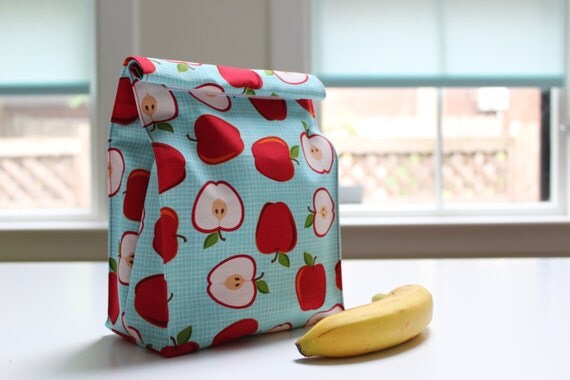
Plastic/Paper Bag -> Reusable Lunch Bag
Although paper bags can technically be recycled, they cannot be if it gets contaminated with food and still consumes resources. Reusable bags can last a long time to get through your child’s education, or the next 30 years at your job. Either way, it saves plenty of waste from going to the landfill.
Anything can become a reusable lunch bag, but insulated lunch bags can help to make sure your food items stay cool for longer. Here’s some ideas on what to use and where to buy them:
Reusable Grocery bag- When you’re not buying groceries, use the same bag to hold your lunch items in.
Insulated lunch bag- These can be bought at various stores including Target, grocery stores, and other markets. Depending on how long you stay out without access to a fridge, you can buy a more insulated one with an ice pack to keep things cool.
Thrift Stores- If you go to thrift stores like Good Will, you may be able to find cool, vintage lunch boxes for a cheap price and rock the antique look while being sustainable.
Online Markets- Some online websites like Poshmark and shopgoodwill.com people sell items they no longer need. You may be able to find cute, fashionable lunch bags at a cheaper price while not having to consume new resources!
Disposable Containers -> Reusable Containers
Disposable containers can add up to a lot of waste and if its homemade, there’s no need for extra waste! Here’s some ideas for reusable containers:
Stainless Steel Container- These are great to make sure your items stay sealed tight, especially for soupy items. These cannot be microwaved, but if you keep a plate at your office, then you can heat items on a separate plate or bowl. These can be bought in all different sizes at Package Free Shop and they carry containers from Clean Kanteen as well.
Plastic- Although plastic is not always the best option, reusable plastic containers for those who may have butter fingers and drop items often, this may be a good option for you then. Many of these you can find at your grocery stores by brands such as Ziploc. These are generally the lightest container, but make sure the container is considered microwave safe as well. If not, the plastic may melt and expose you to toxic chemicals.
Glass- There are multiple brands such as Pyrex and Prep that sell glass reusable containers. However, keep in mind that this type of glass most of the time cannot be recycled. Most of the times these containers have been treated with chemicals so that they can withstand high temperatures, hence they can be placed in the oven or in the microwave without breaking. If you break your glass container, make sure that if it is heat resistant that it goes into the trash and not recycling as it is considered a contaminant.
Ceramic– These may be found at more higher-end cooking stores or even stores such as Urban Outfitters. You can also find these second hand at thrift stores, Poshmark or shopgoodwill.com. Just make sure before you buy they are microwave safe before exposing them to heat.
If you want to make sure you’re getting the best containers, check out this review by Best Products from 2019 to make sure you get your money’s worth out of your products
Many of these again you can find on Poshmark, shopgoodwill.com or any other second hand/buyback websites if you’re trying not to consume more resources.
Ziploc/Sandwich Bags and Plastic Wrap -> ReusableFood Storage Bags
Worldwide, a trillion single-use bags are made each year, meaning 2 million of them are used each minute. Plastic snack/sandwich bags do not need to be adding to that number.
These are light and easy to dispose of, but with the rising issue of single-use plastic bags, an effort needs to be made to reduce single-use baggies as well. There are multiple reusable silicon bag options. Stasher is a popular brand that is sold at Whole Foods and Package Free Shop carries them as well. The Strategist ranked the top four reusable baggies as Rezip, Planet Wise, POAO, and Bee’s Wrap. These can be reused and washed multiple times to keep using them for multiple lunches.
Single-Use Utensils -> Reusable on the Go Utensils
Check out my Sustainable Tip #3 to have a reusable utensil kit at all times to get ideas of where and what kind of utensil kits you can buy!
Plastic Wrapped Sauces -> Mini Reusable Containers
For some salads, dressing is a necessity but plastic wrap isn’t! Sometimes salads cannot keep their crunchiness when it has been soaked for hours in dressing. Buy your favorite dressing as plastic-free as possible and get these small containers to keep your dressing safe and mess-free!
You can either get little plastic containers that seal tight to keep your favorite dressings in. Or you can buy these cute little Dressing-2-Go containers to have a mini bottle of dressing ready to go!
Some containers are made for salads and have salad dressing containers designed within the container.
Disposable Napkins -> Reusable Napkins
Save trees by using a reusable napkin! Some reusable utensil kits come with a napkin so you can always have one on hand with your utensils as well. Package free shop sells unpaper towels as convenient cloth napkins on the go or to use around the house. If you do not want to use up new resources, use an old shirt, cut it into squares, and reuse your shirt with your meal instead of going to the landfill!
Any other ideas on how you create your zero waste lunch? Let me know in the comments!






 imnottrashy.home.blog