Sustainable Tip #8: Be Water Efficient for Your Garden

Hand Watering  using Normal Bucket
Picture from Shalu Prasanth showing to teach kids sustainable habits at a young age

As temperatures rise and people are doing more gardening to pass the time while staying home, water demand and bills are increasing. But there are easy water savings habits you can incorporate into your lifestyle as well as investments you can make into your garden to lead to long term water savings.

Collect Water While Your Shower Warms Up to Water Plants

Around 20 to 40 gallons of water are used for one shower, with a couple of those gallons being used to warm up the water before you hop in. It may not seem like a lot, but it adds up to hundreds of gallons being wasted each year. Instead of letting that water go down the drain, use a bucket to collect the water. When the bucket gets full, water your garden, potted plants, or the tree outside of your apartment.

Use Salt Water From Boiling Pasta or Vegetables as a Natural Weed Killer

Many pesticides can contain chemicals that can be carcinogenic and release unwanted chemicals into the soil and water. If you are cooking at home more, using salt water left over is a great way to reuse the water and use a natural weed killer. If you boil pasta or vegetables, strain them under the bucket instead of having it go down the drain and pour it on any unwanted weeds.

Water Your Garden Early in the Morning to Reduce Water Evaporation

Morning in the garden - July 13, 2014 - joene's garden
Picture from Joene’s garden

As the day goes on and it gets hotter, especially during summertime, water is more likely to evaporate. By watering early in the morning, particularly before 9 AM, it gives the plants time to absorb the water into the roots rather than evaporate off the leaves. It also gives the plants a stash of water to be able to survive the heat during the day. A healthy drink in the morning means wasting less water over time.

Why Not Water in the Late Evening?

Although it is cooler in the evening, if water is left on the leaves without time to dry, it can lead to fungal development. And during the wintertime, the water can freeze and make an artificial frost in your garden. If you are not able to do it in the morning, late afternoon is the next best time as there will still be some sun out to dry off water left on the leaves and reduce the risk of fungal development.

Plant More Drought Tolerant Plants

My adorable succulent babies 🙂

You can still have a beautiful garden without having high water use. Succulents, cactus, and African daisies are examples of some drought tolerant plants. I find that with my succulents I may have to water them once a week during the fall and winter, and around three times a week during the summer time. Here is a list of 39 stunning drought tolerant plants that can make your gardens lively as well as water efficient.

Consider Investing Into a Rain Barrel

One of our two rain barrels

If you are spending lots of money to water the garden, it may be worth investing into a rain barrel. It catches water from your gutters when the rain comes by, and when it gets dry for a few days, you have some extra water on hand without taking it directly from the pipes. This is especially helpful if you live in areas with drier climates, like California, where you may not get rain as often as possible. Here’s a link to some potential rain barrel options.

Have any other ideas for water efficiency in the garden? Put them in the comments!

Sustainable Tip #7: Have a Zero Waste Lunch Every Day

One great way to budget is to pack your food and bring it to work or school. By packing zero-waste meals instead of having to buy paper bags filled with disposable items and avoiding eating out on lunch breaks, your lunches can cost a lot cheaper. Reusable lunches can be 35% cheaper, and Julia Layton from howstuffworks calculated that by making $4 meals at home versus $10 meals eating out everyday at work could save you $1500 a year! Here’s some easy swaps and where you can find them!

Plastic/Paper Bag -> Reusable Lunch Bag

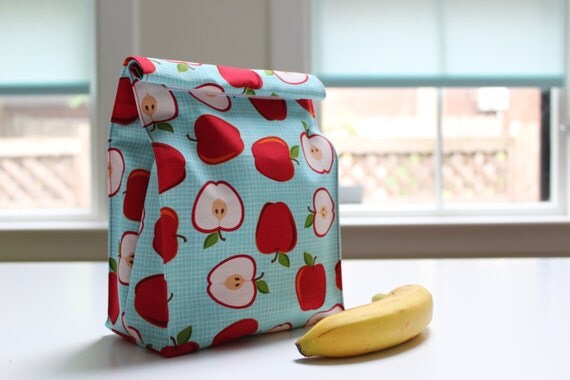
Although paper bags can technically be recycled, they cannot be if it gets contaminated with food and still consumes resources. Reusable bags can last a long time to get through your child’s education, or the next 30 years at your job. Either way, it saves plenty of waste from going to the landfill.

Anything can become a reusable lunch bag, but insulated lunch bags can help to make sure your food items stay cool for longer. Here’s some ideas on what to use and where to buy them:

  • Reusable Grocery bag- When you’re not buying groceries, use the same bag to hold your lunch items in.
  • Insulated lunch bag- These can be bought at various stores including Target, grocery stores, and other markets. Depending on how long you stay out without access to a fridge, you can buy a more insulated one with an ice pack to keep things cool.
  • Thrift Stores- If you go to thrift stores like Good Will, you may be able to find cool, vintage lunch boxes for a cheap price and rock the antique look while being sustainable.
  • Online Markets- Some online websites like Poshmark and shopgoodwill.com people sell items they no longer need. You may be able to find cute, fashionable lunch bags at a cheaper price while not having to consume new resources!

Disposable Containers -> Reusable Containers

Disposable containers can add up to a lot of waste and if its homemade, there’s no need for extra waste! Here’s some ideas for reusable containers:

  • Stainless Steel Container- These are great to make sure your items stay sealed tight, especially for soupy items. These cannot be microwaved, but if you keep a plate at your office, then you can heat items on a separate plate or bowl. These can be bought in all different sizes at Package Free Shop and they carry containers from Clean Kanteen as well.
  • Plastic- Although plastic is not always the best option, reusable plastic containers for those who may have butter fingers and drop items often, this may be a good option for you then. Many of these you can find at your grocery stores by brands such as Ziploc. These are generally the lightest container, but make sure the container is considered microwave safe as well. If not, the plastic may melt and expose you to toxic chemicals.
  • Glass- There are multiple brands such as Pyrex and Prep that sell glass reusable containers. However, keep in mind that this type of glass most of the time cannot be recycled. Most of the times these containers have been treated with chemicals so that they can withstand high temperatures, hence they can be placed in the oven or in the microwave without breaking. If you break your glass container, make sure that if it is heat resistant that it goes into the trash and not recycling as it is considered a contaminant.
  • Ceramic– These may be found at more higher-end cooking stores or even stores such as Urban Outfitters. You can also find these second hand at thrift stores, Poshmark or shopgoodwill.com. Just make sure before you buy they are microwave safe before exposing them to heat.
  • If you want to make sure you’re getting the best containers, check out this review by Best Products from 2019 to make sure you get your money’s worth out of your products
  • Many of these again you can find on Poshmark, shopgoodwill.com or any other second hand/buyback websites if you’re trying not to consume more resources.

Ziploc/Sandwich Bags and Plastic Wrap -> Reusable Food Storage Bags

Worldwide, a trillion single-use bags are made each year, meaning 2 million of them are used each minute. Plastic snack/sandwich bags do not need to be adding to that number.

These are light and easy to dispose of, but with the rising issue of single-use plastic bags, an effort needs to be made to reduce single-use baggies as well. There are multiple reusable silicon bag options. Stasher is a popular brand that is sold at Whole Foods and Package Free Shop carries them as well. The Strategist ranked the top four reusable baggies as Rezip, Planet Wise, POAO, and Bee’s Wrap. These can be reused and washed multiple times to keep using them for multiple lunches.

Single-Use Utensils -> Reusable on the Go Utensils

Check out my Sustainable Tip #3 to have a reusable utensil kit at all times to get ideas of where and what kind of utensil kits you can buy!

Plastic Wrapped Sauces -> Mini Reusable Containers

For some salads, dressing is a necessity but plastic wrap isn’t! Sometimes salads cannot keep their crunchiness when it has been soaked for hours in dressing. Buy your favorite dressing as plastic-free as possible and get these small containers to keep your dressing safe and mess-free!

You can either get little plastic containers that seal tight to keep your favorite dressings in. Or you can buy these cute little Dressing-2-Go containers to have a mini bottle of dressing ready to go!

Some containers are made for salads and have salad dressing containers designed within the container.

Disposable Napkins -> Reusable Napkins

Save trees by using a reusable napkin! Some reusable utensil kits come with a napkin so you can always have one on hand with your utensils as well. Package free shop sells unpaper towels as convenient cloth napkins on the go or to use around the house. If you do not want to use up new resources, use an old shirt, cut it into squares, and reuse your shirt with your meal instead of going to the landfill!

Any other ideas on how you create your zero waste lunch? Let me know in the comments!

Website Links for Pictures: